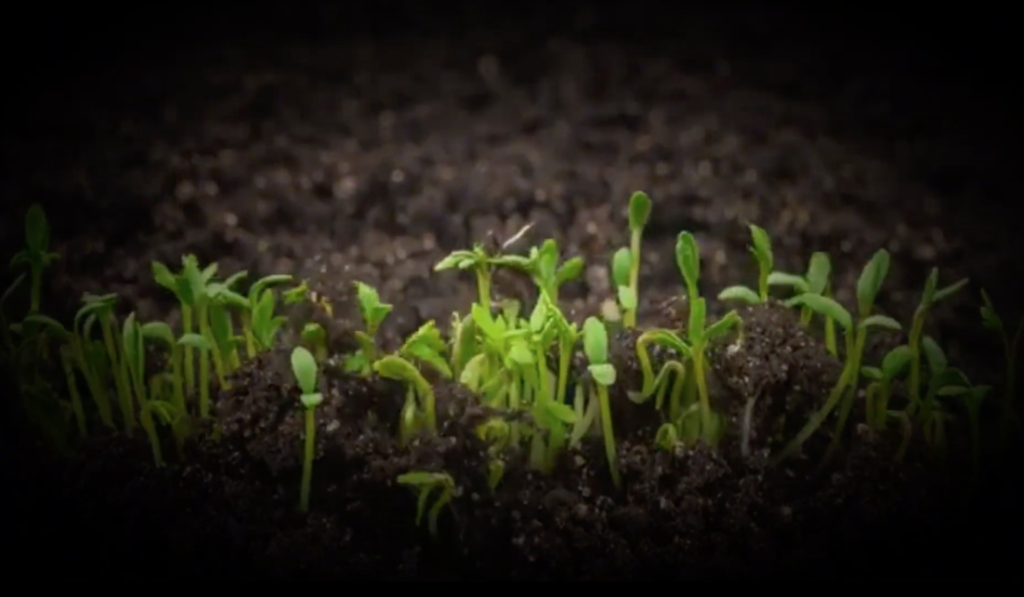
Dive in or skim this newsletter. We have listened to plants for 75 years. They have much to say and our work continues.
Germination Table of Contents
Video: Germination: Our Society Begins
North Carolina Wild Flower Preservation Society
Video: Jim, Katalin, and Bill: Listen, to plants and to people, to connect.
Where the Society Gathered and What They Got Done: A History and Evolution of the Society
Video: Adrienne, Patricia, and Dale: listen, to change.
The People Who Shaped Us: Rooted in Community
Video: Carrie, Destini, and Cynthia: We nurture nature and nature nurtures us.
Daniel Boone Native Gardens: Evolving over the Generations
Exit to Native Plant News 75th Anniversary Edition
North Carolina Wild Flower Preservation Society
By Ken Bridle, Ph.D., for Native Plant News 75th Anniversary Edition
During my first term as president, the organization was called the North Carolina Wild Flower Preservation Society. An old-fashioned name for an organization that had been founded 50 years before. Founded by some academic botanists, some garden club members, a few plant nursery professionals, and generally people who love nature and wildflowers. One state-wide group with about 450 members. This group had advocated for the founding of the NC Botanical Garden, the Natural Heritage Program, many protected spots that became parks and nature preserves, and our state wildflower.
Today, the mission of the Society is expressed in new forms, and the membership grows and changes, but the focus is still ecology and stewardship of native plants at a time when this is needed more than ever.
Ken Bridle, past president, NC Native Plant Society 2000 – 2001, and At-Large Board Member, then president, 2021 – 2026.
Jim, Katalin, and Bill: I love listening to plants and talking to people about what I hear. We make a connection.
Where the Society Gathered and What They Got Done: A History and Evolution of the Society
By Nancy Anderson, PhD, for Native Plant News 75th Anniversary Edition
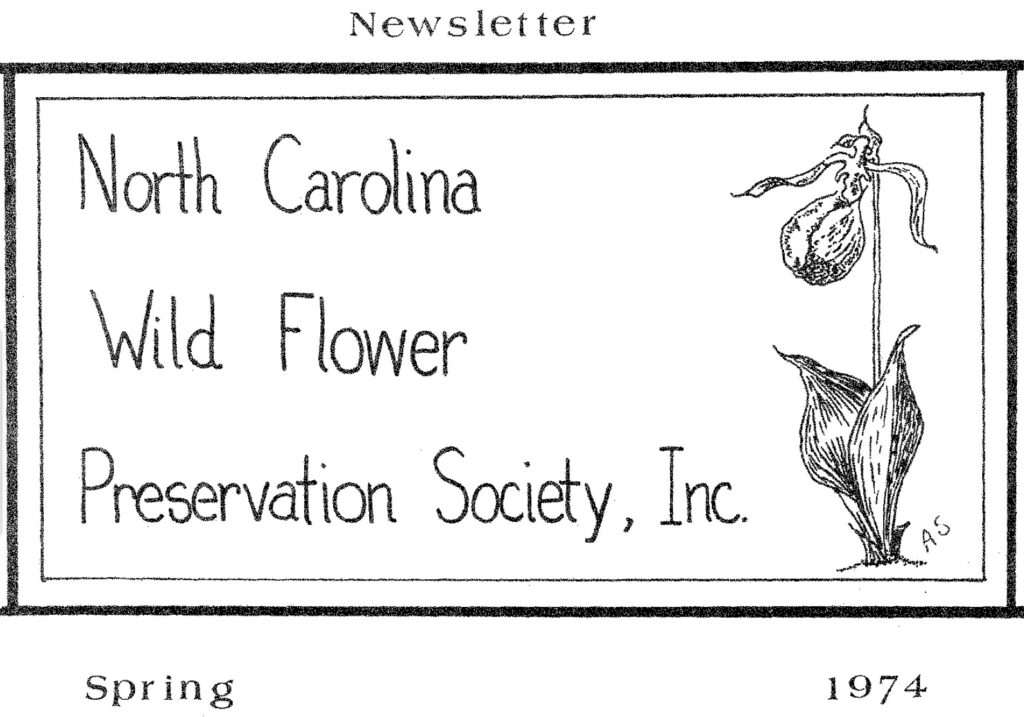
Founded in 1951 as the North Carolina Wild Flower Preservation Society, the Society began with this mission: To foster appreciation of North Carolina’s native plants. The original name referred to native plants and flowers growing in the wild—not just wildflower species. Early members gathered in home gardens to exchange seeds, cultivation techniques, and practical knowledge about growing native plants.
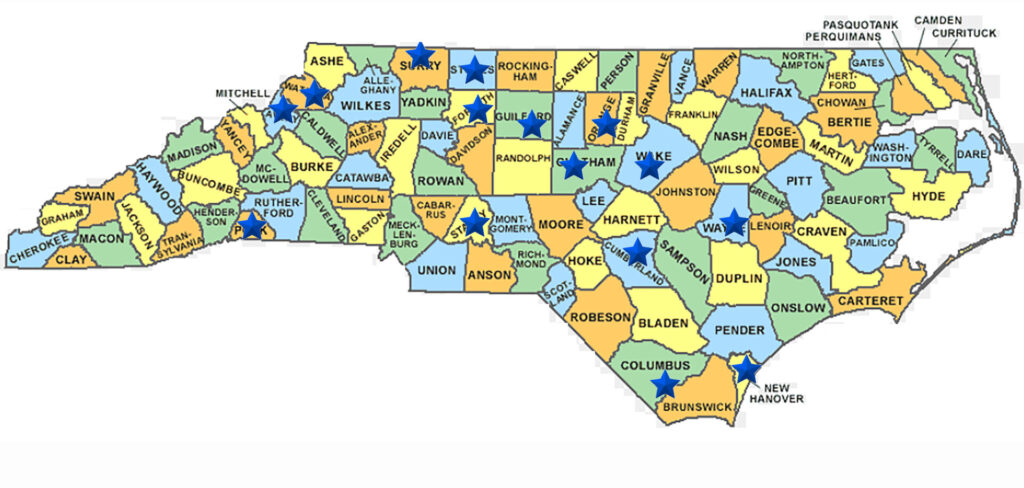
Within a few years, however, the Society’s focus broadened. Newsletters published between 1951 and 1976 reveal a growing concern for conserving native plants in their natural habitats. Meetings expanded well beyond members’ gardens. During the Society’s first decade, gatherings were held in fifteen counties and included field trips to rare plant populations, scenic natural areas, and public demonstration gardens across the state.
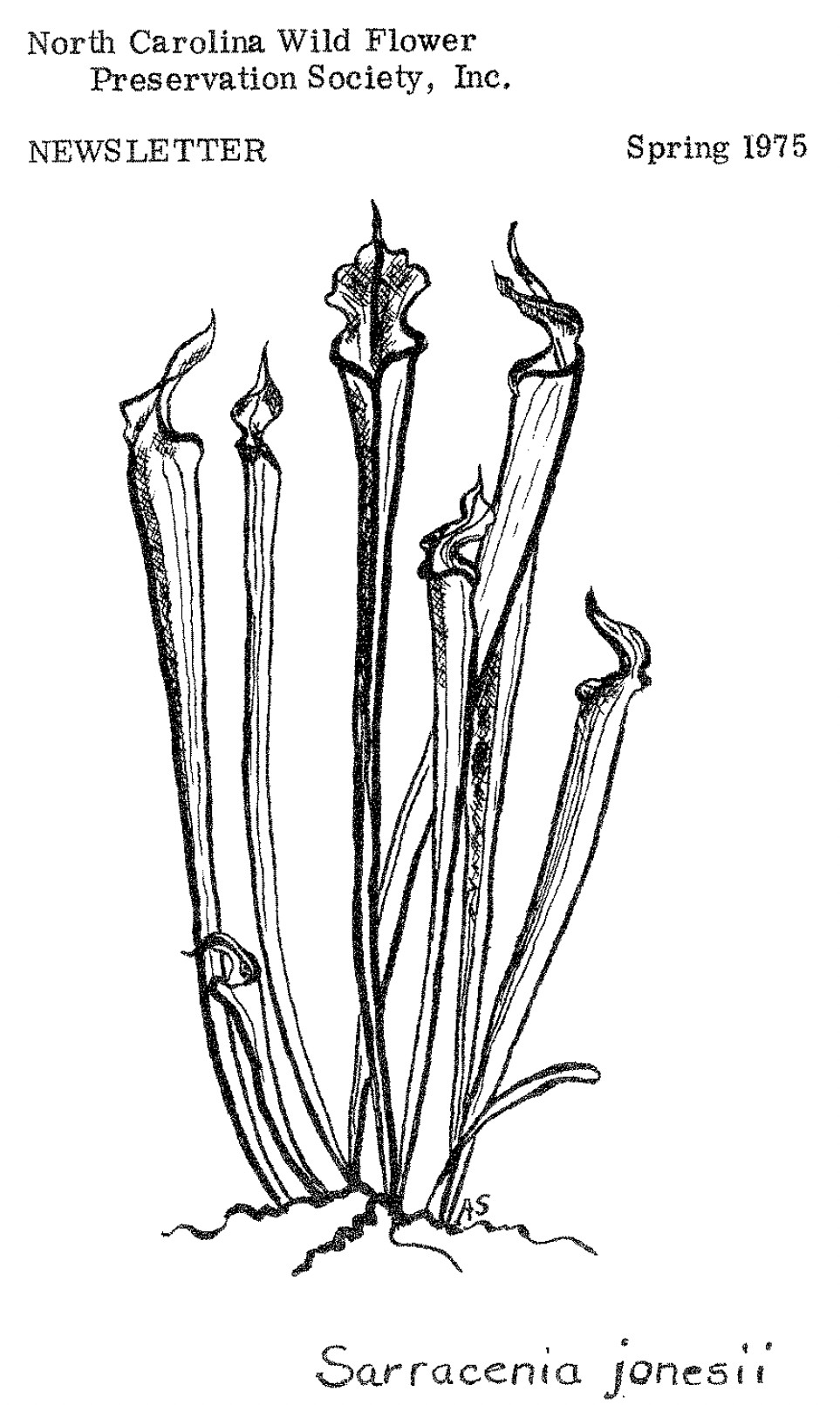
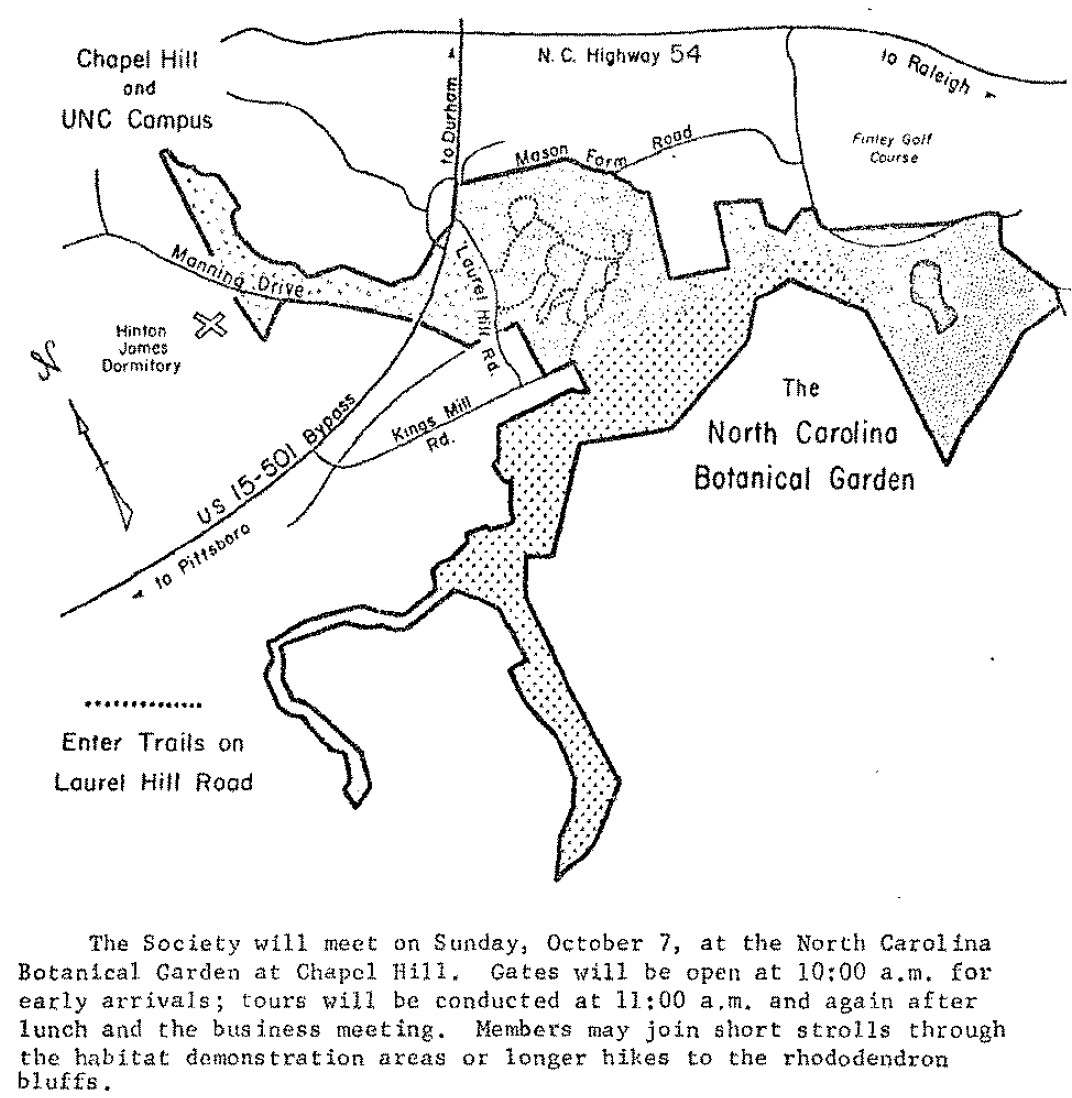
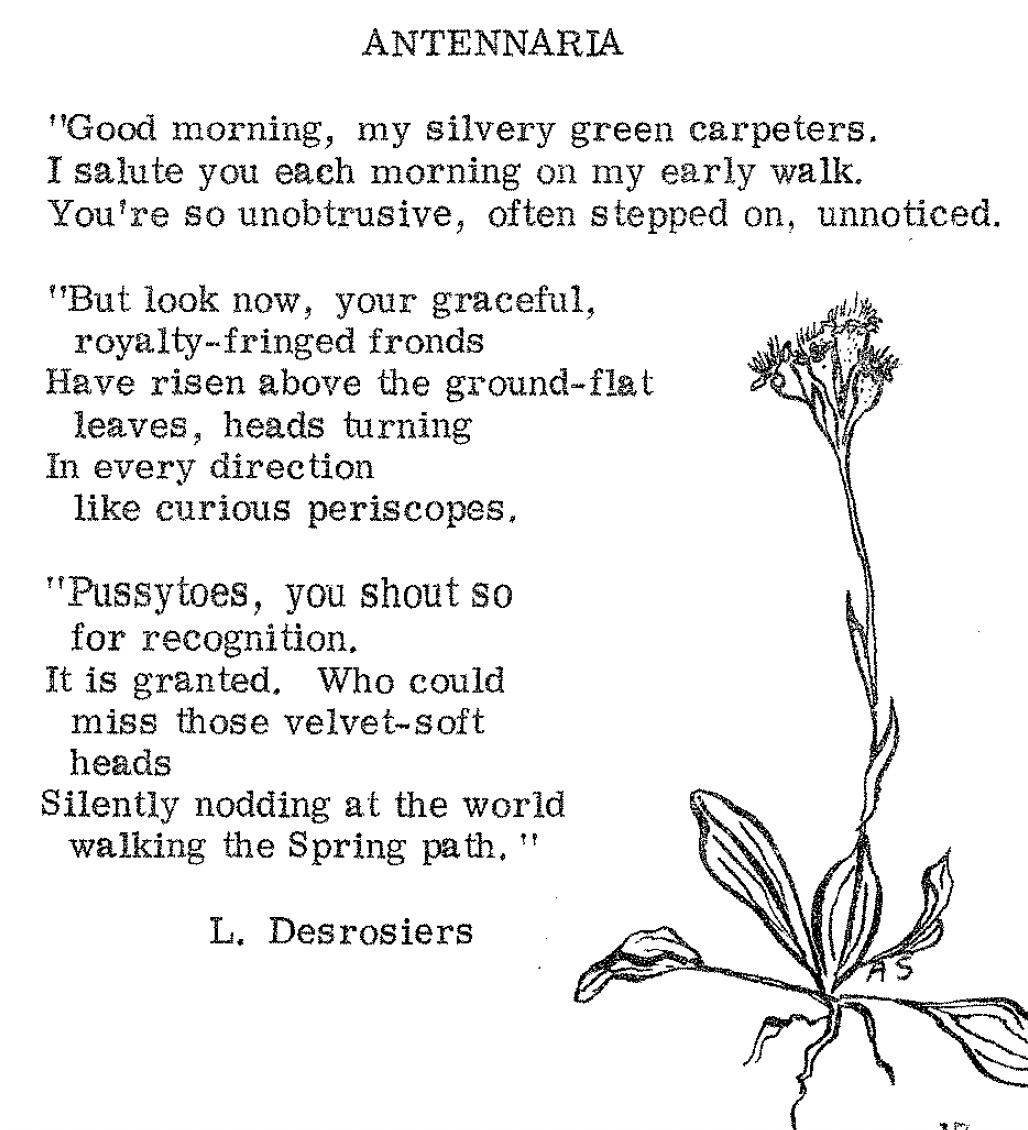
These outings reflected an emerging conservation ethic. Early newsletters featured poetry and botanical illustrations celebrating North Carolina’s flora while encouraging members to protect the landscapes where native plants thrive. Members witnessed remarkable environmental recovery during the 1950s, including restoration of heavily logged slopes along the Blue Ridge Parkway. Following one excursion, the newsletter described hillsides where “thousands of beautiful azalea and rhododendron bushes” flourished under federal protection.
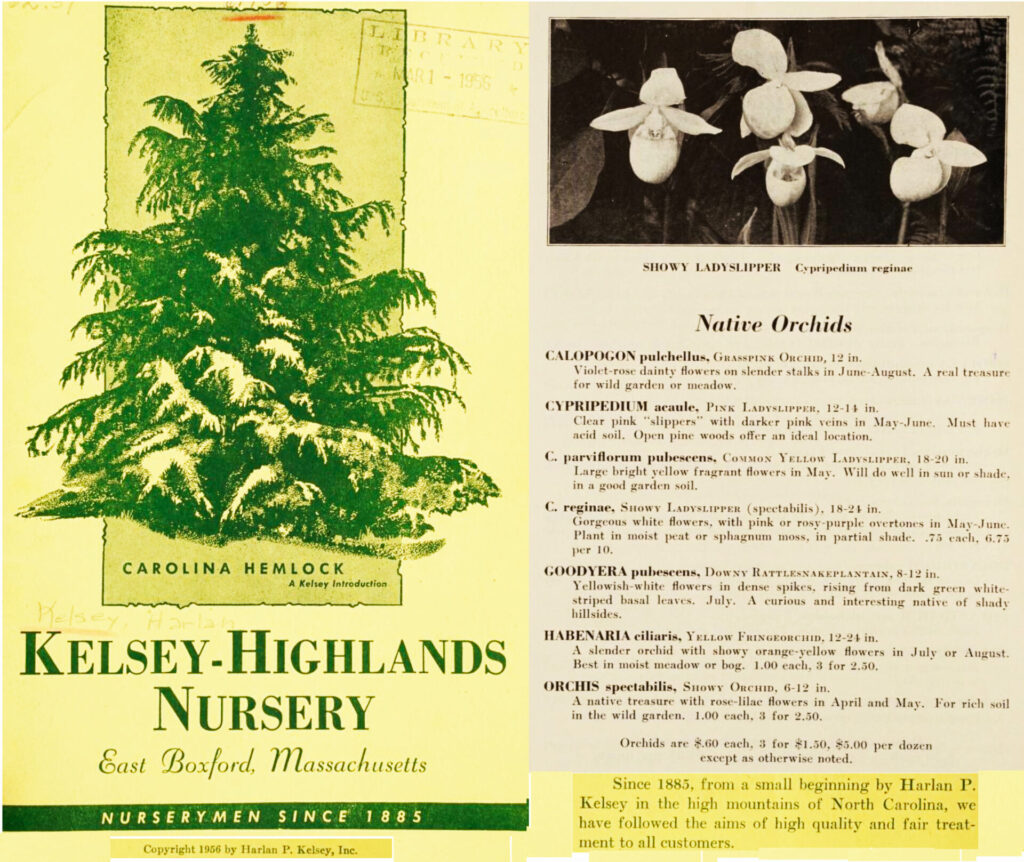
The Society also recognized the important role of the native plant nursery industry. Members toured nurseries such as E. C. Robbins’ operation in Linville, NC, learning propagation techniques while encouraging responsible cultivation that could reduce pressure on wild plant populations.
This balance between gardening and conservation was captured in Helen Hull’s Wild Flowers for Your Garden (1952), later quoted in the Society’s 1966 newsletter: “Wild flower gardening is a very real means of saving the species. Growing them makes us aware of their great beauty and the desirability of keeping them.”
Seventy-five years later, that philosophy still guides the Society. By appreciating native plants both in the wild and in our own gardens, generations of members have helped protect North Carolina’s extraordinary botanical diversity. Their legacy reminds us that stewardship begins with understanding, grows through education, and endures through conservation.
Nancy Anderson is a founding member and co-chair of the Oconee Bell Chapter; a certified Transylvania County Master Gardener, and Purdue University Professor Emerita of Biology.
Adrienne, Patricia, and Dale: When people listen to us, we change their minds about how important native plants are—they change how they think and feel about nature.
The People Who Shaped Us: Rooted in Community
By Chelsea O’Mara for Native Plant News 75th Anniversary Edition
When you think of any organization, the people are an essential element. They drive the mission and vision. They propel it forward, steady it and pull others in. The first 25 years of the North Carolina Native Plant Society (NCNPS), or the NC Wild Flower Preservation Society as it was known at the time, owes much of where it is today to its founders.
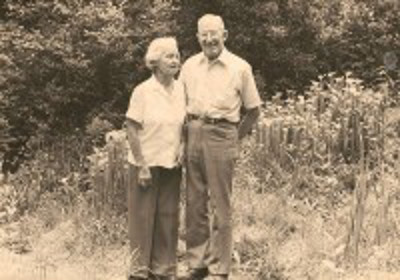
As a small group motivated by their passion and devotion, they laid the foundation. People from all walks of life joined together to share not only their love of plants, but also their belief in conservation, education, and stewardship. The average person stood by a seasoned botanist and admired the same land and plants. They bonded over beauty and the vital role native plants play in ecosystems. Members like the J.A. Warrens, who also often found themselves leading the organization, frequently opened their homes to host meetings, discussing plants and “wildflower business.”
Some of the NCNPS’s most recognizable names shaped the first 25 years. The most familiar will likely be Dr. B.W. Wells and Bruce and Tom Shinn.
Great examples of people from all walks of being, pulled into the same orbit by their appreciation for plants. While their enthusiasm shaped our organization, it’s also responsible for some of our most-loved public spaces, like the Asheville Botanical Gardens, a vision of the Shinns.
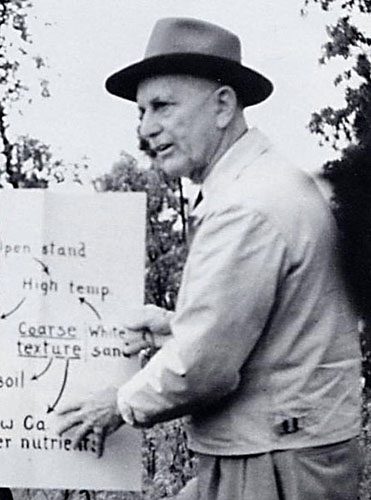
Dr. Wells along with other botanists, like Dr. H.R. Totten comprised a committee that created one of the first plant conservation lists, “Guides and Manuals for the Identification of Native Plants.” Dr. Totten frequently led guided walks alongside members like Lionel Melvin. They toured not only public land, but also private properties. That shared passion is surely a spark that helped the organization’s membership grow.
Throughout those early years, there was a noticeable shift among members. They still wanted to share in their adoration of plants, but also felt a growing concern for them. They focused more on conservation and being good stewards. They didn’t want to pick too many plants to be harvested so as not to deplete the resources of existing ecosystems. This mindset feels so familiar — sharing the joys of a beautiful planet in hopes of inspiring others to preserve it.
Looking back helps us to see how far we’ve come. It also helps us see how similar we are, not only to those who came before us, but to each other. We all share this same incredibly rich and diverse land on a unique planet that supports life. May we continue to find camaraderie and community in shared ideals and a simple love of plants beyond our 75 years!
Chelsea O’Mara, when not working her full-time communications job, enjoys learning about local flora and fauna and is currently working toward her Blue Ridge Eco Gardener Certificate.
Destini, Jackie, and Carolina: People start planting natives and love that they bring back butterflies, birds, and other living things…
Daniel Boone Native Gardens: Evolving over the Generations
Text by Nan K. Chase for Native Plant News 75th Anniversary Edition
Photos courtesy of Daniel Boone Native Gardens and the NC Native Plant Society
Talk about good bones! The Daniel Boone Native Gardens, a 3-acre wonderland with 200 different Blue Ridge flowers, shrubs, and trees located in the heart of Boone, North Carolina, treat visitors to a beautiful and varied layout.
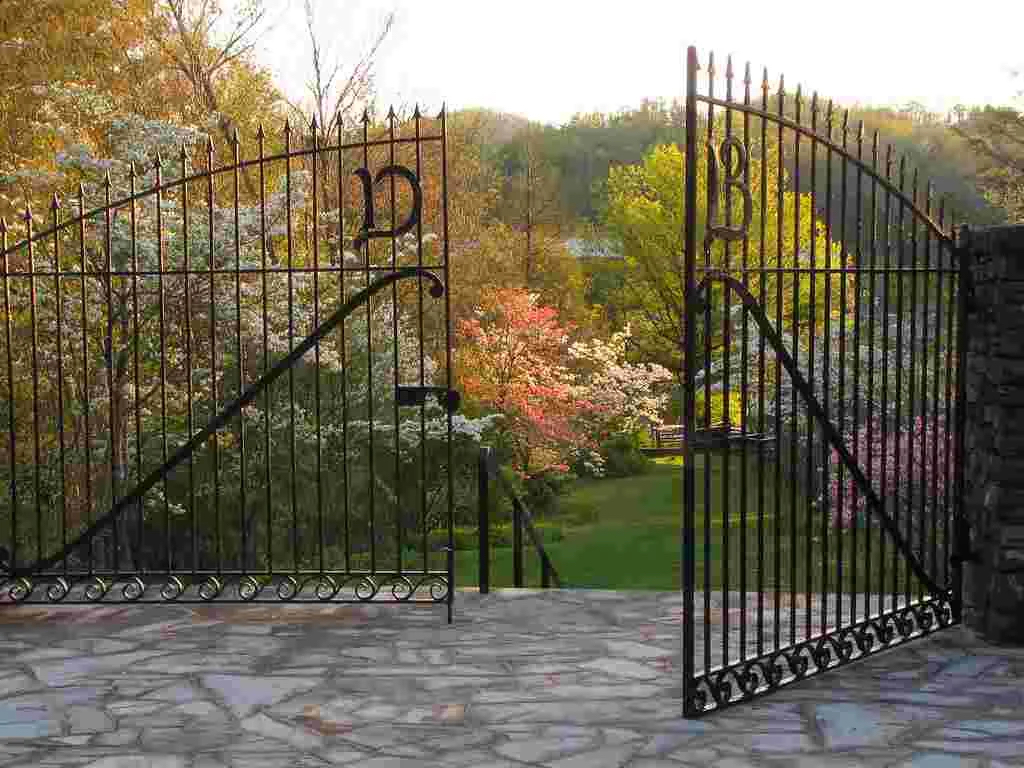
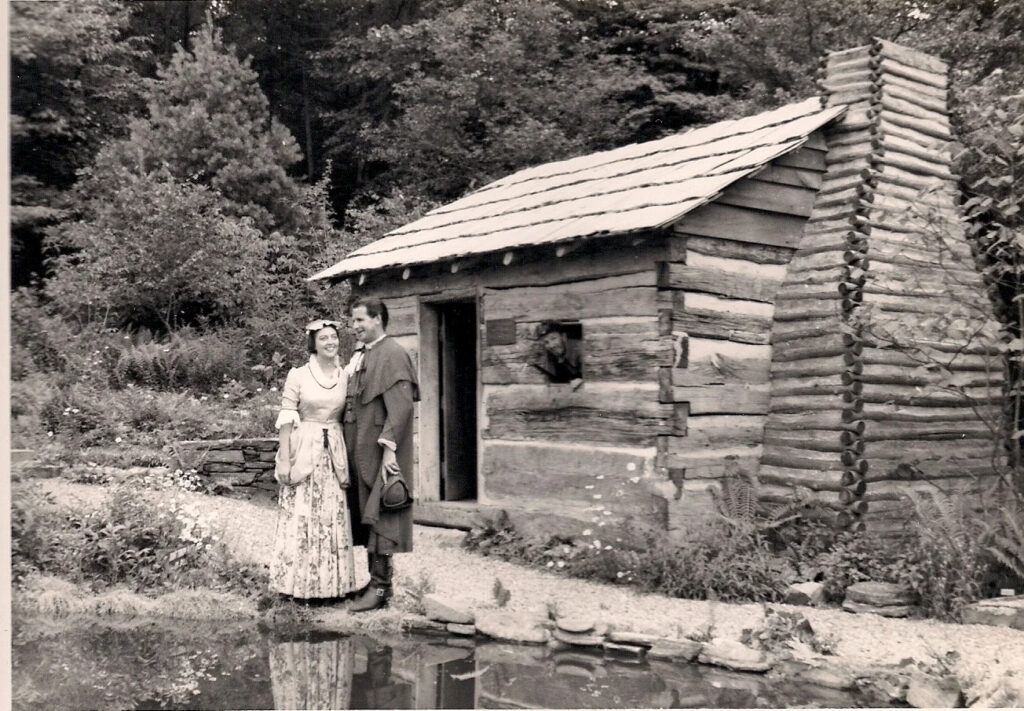
From the flagstone entrance plaza graced with massive wrought-iron gates, down a broad allée, to water features, shady nooks, and a historic log cabin, the DBNG has a flowing structure that few gardens its size can match.
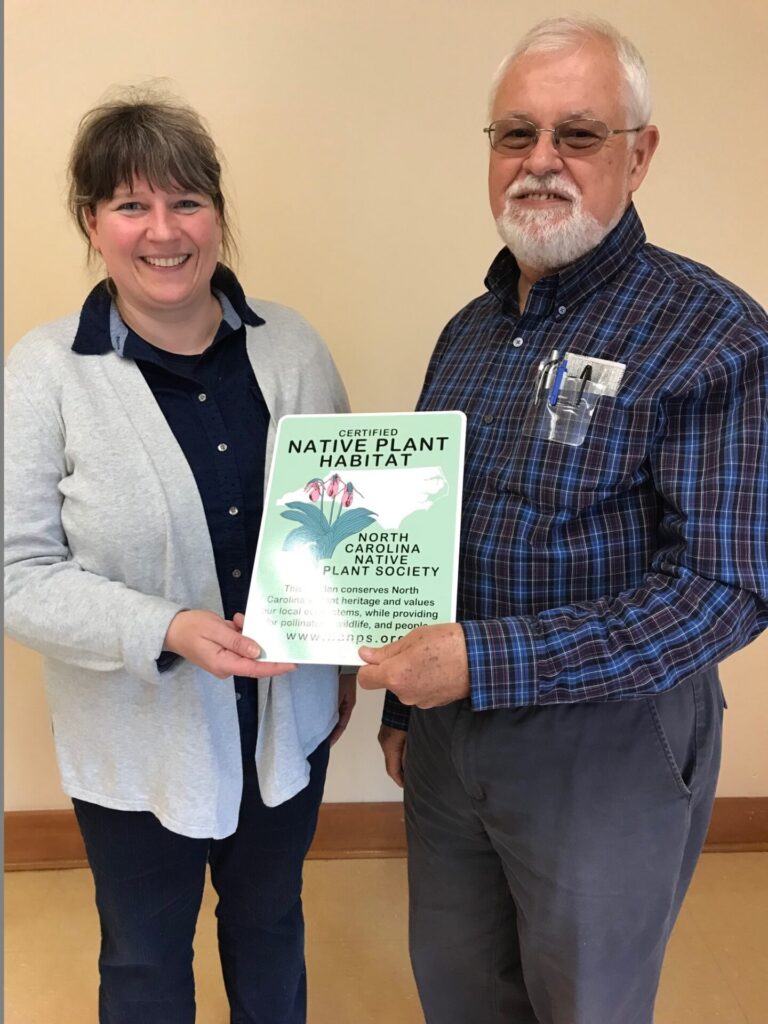
There’s more: the plants. These range from tiny spring ephemerals to towering native trees, providing interest throughout the year. The gardens buzz with activity these days, not only from countless pollinators but from the people who come for cultural events, plant sales, weddings, and guided tours. The gardens also display a Certified Native Plant Habitat sign from the NC Native Plant Society.
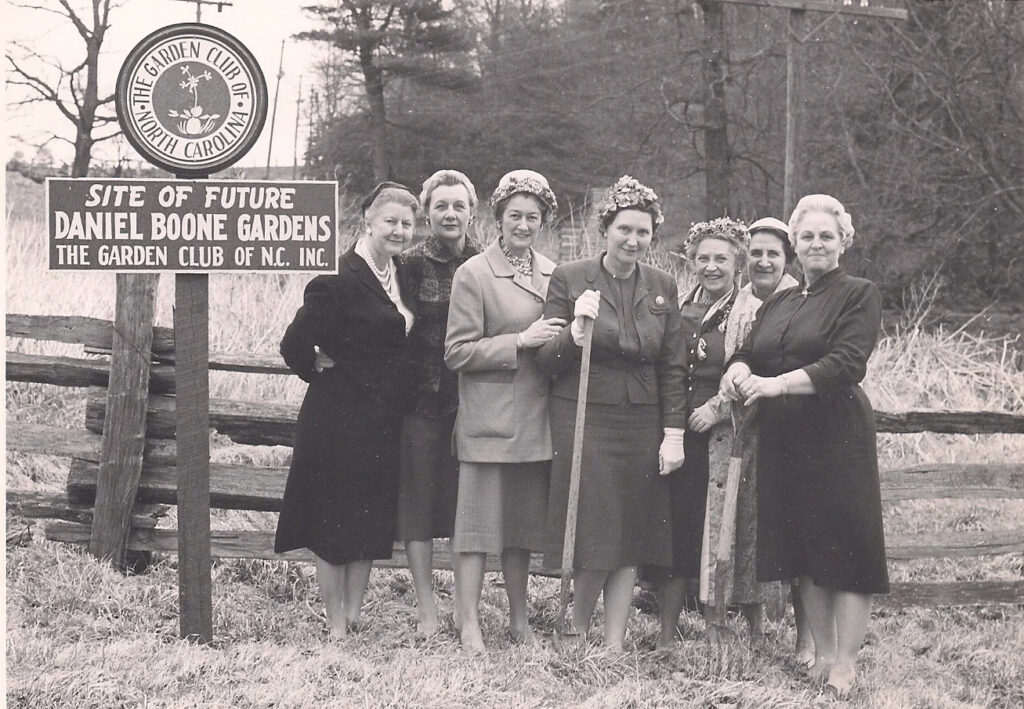
What a change from 30 years ago, when I first got to know the DBNG as a local garden club member. Originally, when the gardens first opened, in 1963 after two years of planning and hardscape installation, they were lovingly tended by “garden club ladies.” Eventually, though, they passed from the scene and nature took over. The gardens became shaggy, an unmanageable tangle that called out for help.
Help came. While the Town of Boone owns the property, oversight comes from a separate nonprofit organization. Town crews selectively thinned out trees to let light into overgrown sections and helped repair crumbling infrastructure. A new generation of gardeners got involved in the more granular work of weeding the beds, planning on-site activities and nurturing community support, and putting the finances on a stronger footing.

A good place to begin a visit is the website danielboonenativegardens.org, which features an events calendar and a month-by-month blooming list. I love DBNG from the first dogwood blossom in spring to the last cluster of sourwood tree petals.
Writer Nan K. Chase was a member of the Blue Ridge Garden Club, in Boone, N.C., and served on the Board of Governors for Daniel Boone Native Gardens during a critical period of renewal. Her books include Eat Your Yard! and Drink the Harvest.