
To get into native plants: Step 1. Join a chapter. Step 2. Take a hike. Step 3. Listen to plants. Start work.
Blossoming Table of Contents
Video: Blossoming
Video: Margaret, Anna, and Annkatrin: collaboration and stewardship are key to our success.
Our Story in Chapters
Video: Catherine, Brett, and Anna: in our backyards and communities we make local impacts that incrementally improve our interconnected world.
Stories of People
Video: Madalyn, Lindsay, and Julie: our lifelong learning pays forward to influence others.
Exit to Native Plant News 75th Anniversary Edition
Margaret, Anna, and Annkatrin: collaboration and stewardship are key to our success.
Our Story in Chapters
Compiled by Beth Davis with help from chapter leaders across the state, for Native Plant News 75th Anniversary Edition
In the early days of the Wild Flower Preservation Society, prior to the year 2000, dedicated native plant enthusiasts, researchers, horticulturists, and botanists would gather in botanically rich locations across the state for hikes and events.
In 2004, as the focus began to include general education of the public, the fight against invasives, and the change in our commitment from only flowers to all native plants in North Carolina, the Society changed its name to the North Carolina Native Plant Society.
Local Native Plant Society chapters occurred somewhat late in our story. In the 2000s with interest in native plants growing across the state, the board realized statewide gatherings were not sufficient for meeting members’ needs and interests. Local NCNPS members gathered together to create chapters to engage with their community in local areas. Three chapters were established:
- Charlotte (later the Southern Piedmont chapter)
- Triangle (Margaret Reid Chapter)
- Triad Chapter
These first chapters naturally flourished in urban areas around universities and existing botanical gardens.
As interest has grown along with the state’s population, North Carolina Native Plant Society has evolved into a truly statewide organization, reaching nearly every corner of the Tar Heel state. New communities of native plant enthusiasts formed chapters whose interests reflect local topographies, soil types, and unique plants of their regions. Nine more chapters are active around the state (listed below geographically from west to east), making for a grand total of twelve:
Western NC Mountains
- Oconee Bell (Cashiers area)
- Land of the Sky (Asheville area)
- Blue Ridge (Boone area)
- Foothills (Morganton/Hickory area)
Piedmont
- Southern Piedmont (Charlotte area)
- Triad (Greensboro, Winston-Salem, and High Point area)
- Margaret Reid (Triangle/Raleigh/Durham/Chapel Hill area)
- Uwharrie ( Asheboro and Albemarle area)
Sandhills and Coastal Plains
- Sandhills (Sanford area)
- Central Coastal Plain (New Bern area)
- Southeast Coast (Wilmington area)
- Northeastern Coastal Plain (Greenville area)
All of these chapters provide members the opportunity to support the mission of education, protection, cultivation, and advocacy for North Carolina’s native plants. Chapters run on the fuel of volunteer leadership. These active local leaders work tirelessly to arrange programs, speakers, outings, and volunteer activities that respond to the needs of the community.
Each chapter has its own unique personality that responds to the topography and plant flora of the region, as well as offering the activities and events.
Chapter programs and speakers often draw from local experts, professionals, and educators to continue to educate the public and membership about botany, biology, and ecology related to endemic native plants.
One of the perks of being a member of the state organization is the open invitation to attend any chapter event across the state. (Keep an eye on the events page of the ncwildflower.org website for current program info.)
We invite you to get to know the different chapters across the state in our profiles below. Get social!
Follow our chapters on Facebook pages or Facebook groups to engage with lively discussions across a variety of communities.
Join us in celebrating the leaders and supporters of each chapter that make it all happen.
AND, we hope this energy will inspire you to share your special skills and expertise with chapter leaders. It takes a village of plant geeks to save the world, after all.
Creation of Piedmont area chapters in 2000 through 2010
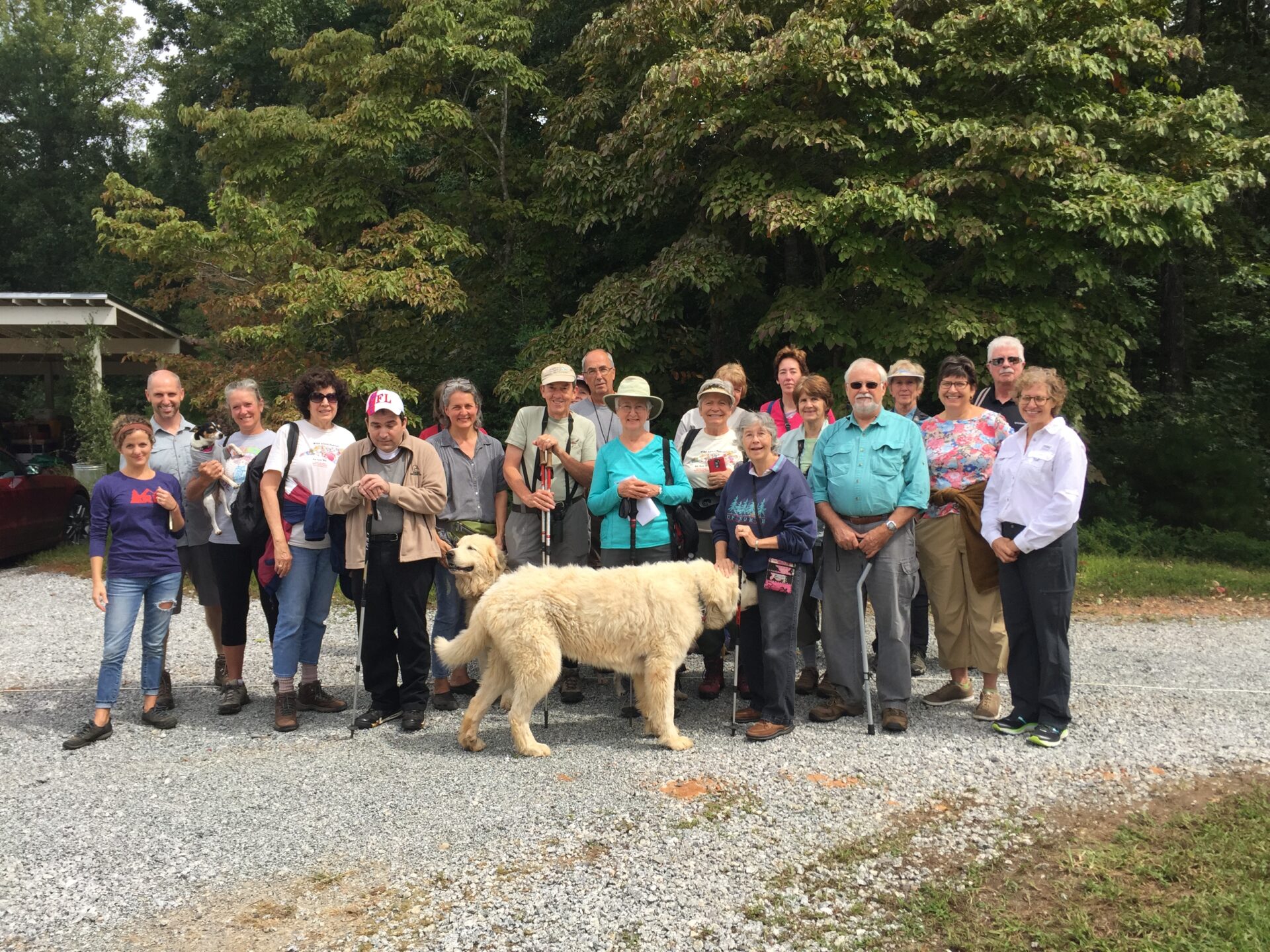
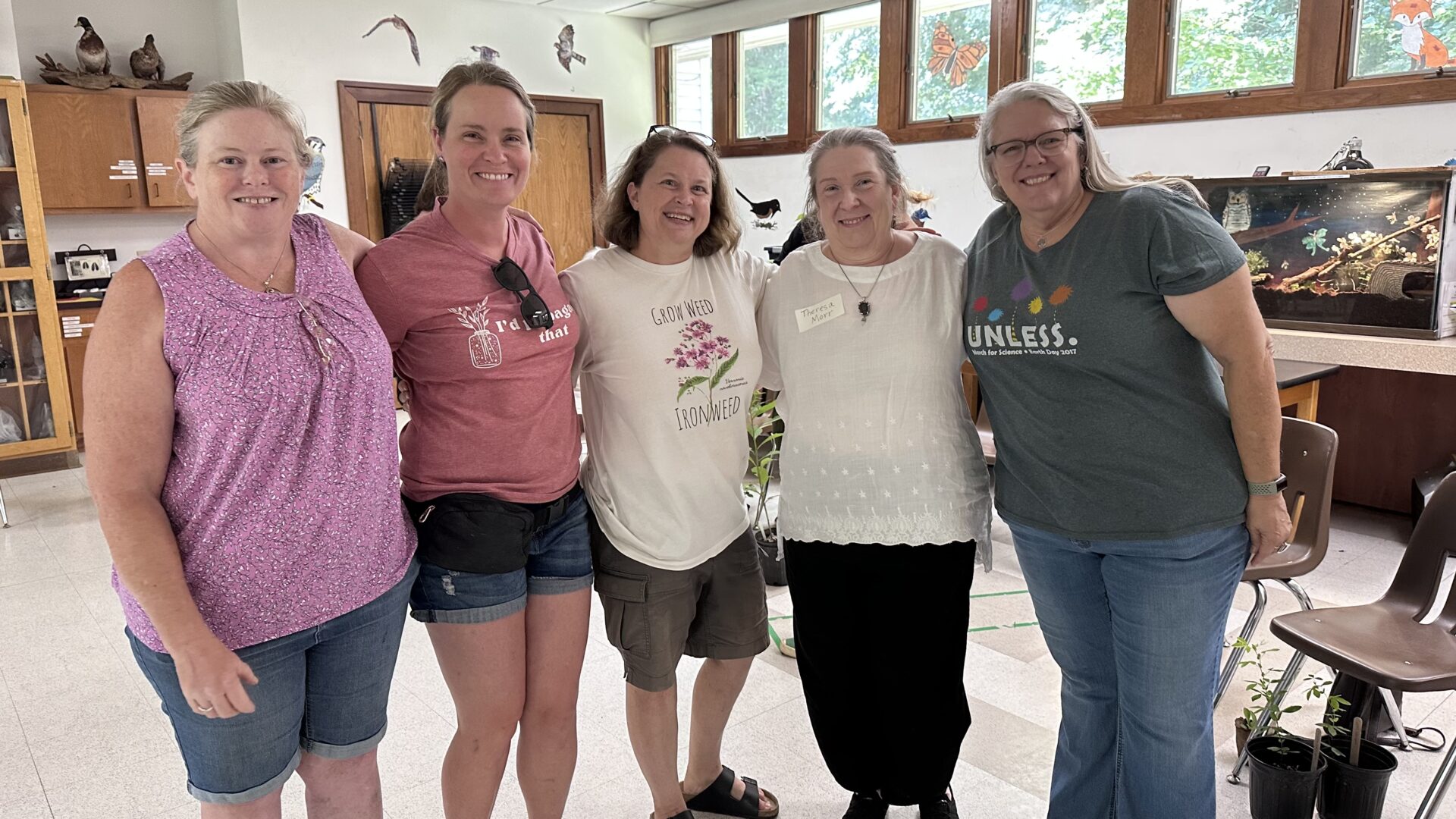
Southern Piedmont Chapter (Charlotte area)
Founded by Jean Woods and Angela Haigler in 2002, current leaders are Theresa Morr, Sara Byrd, Carrie DeJaco, Donna Hood, Mary Duke, Cassandra Hallman, Kristen Grubert, and Carol Fox. There are 475 members.
Southern Piedmont Chapter co-chairs are passionate about local ecosystems and the role of native plants. Each co-chair brings a wealth of diverse experience and activities including a wide variety of tours, programs, and events. The chapter participates in Bee City Charlotte to keep a “finger on the pulse” of growing community interest in environmental sustainability. The chapter also supports members in the counties surrounding Mecklenburg.
The Southern Piedmont is characterized by hills large and small created by the erosion of one of the oldest mountain ranges in the world, the Appalachians. Piedmont prairies are highlights in the summer when dozens of species of asters and grasses bloom.
There is little land in the North Carolina Piedmont that has not been cleared for farming at some point in the last century or two, so all forests are in some stage of regrowth. Existing grasslands are typically a result of maintenance by mowing or prescribed fire. Nevertheless, several hundred plant species can be found among the many different ecosystems that exist here today and there is no paucity of joy to be found in exploring these ecosystems.
Field trips and group hikes in the Piedmont meander through successional forests dominated by oaks and hickories, beeches, Tulip Poplars, and pines. In these forests, we find numerous ephemeral spring wildflowers including a diversity of trilliums, Mayapples, Trout Lilies, and foamflower. The understory showcases native azaleas and viburnums, blueberries, and Hearts-a-bustin’ all over. Pawpaw, Black Gum, and Sourwood light up the woodlands with gorgeous fall color.
The chapter is fortunate to have had a guiding relationship with the late Dr. Larry Mellichamp (see Commemorative Edition for Larry Mellichamp, 2022), director of the University of North Carolina Charlotte Botanical Garden for many years. The Southern Piedmont Chapter has a special relationship with the Garden through which Dr. M developed a program for a Certificate in Native Plant Studies that many members have earned. Dr. M always highlighted his many “favorite plants” on chapter hikes. Lisa Tompkins, former chapter chair, is often a knowledgeable hike leader with her “gestalt” theory of plant compatibility. Founding member Jean Woods, current president of NCNPS, continues to support the chapter with guidance and input.
The Southern Piedmont Chapter meets 10 months a year, hosts speakers, holds workshops, staffs tables at local events, leads hikes, volunteers at public gardens, and offers garden tours. They hold an annual seed exchange, raffle donated plants, and have plant sales to raise funds.
The Southern Piedmont Chapter supports small local native plant businesses, including plant growers and sellers, consultants, instructors, and speakers. One of the chapter leaders, Dr. Carrie DeJaco, has co-founded the non-profit Constructive Plant Rescue endeavor that scouts land slated for development to rescue native plants. These plants are then used in community gardens or sold to the public as a chapter fundraiser. The chapter also encourages “learning hikes” where they use tools like Merlin and iNaturalist while they hike.
The chapter will continue building momentum and interest in native plant gardening. With coalition partners, members hope to encourage as diverse a membership as possible to appeal to all who find solace in nature. With encouragement from the Society, the plan is to have more educational presence in local public schools and libraries.
Follow the Southern Piedmont Facebook page.
And join the Southern Piedmont Charlotte Facebook group page for a lively discussion.
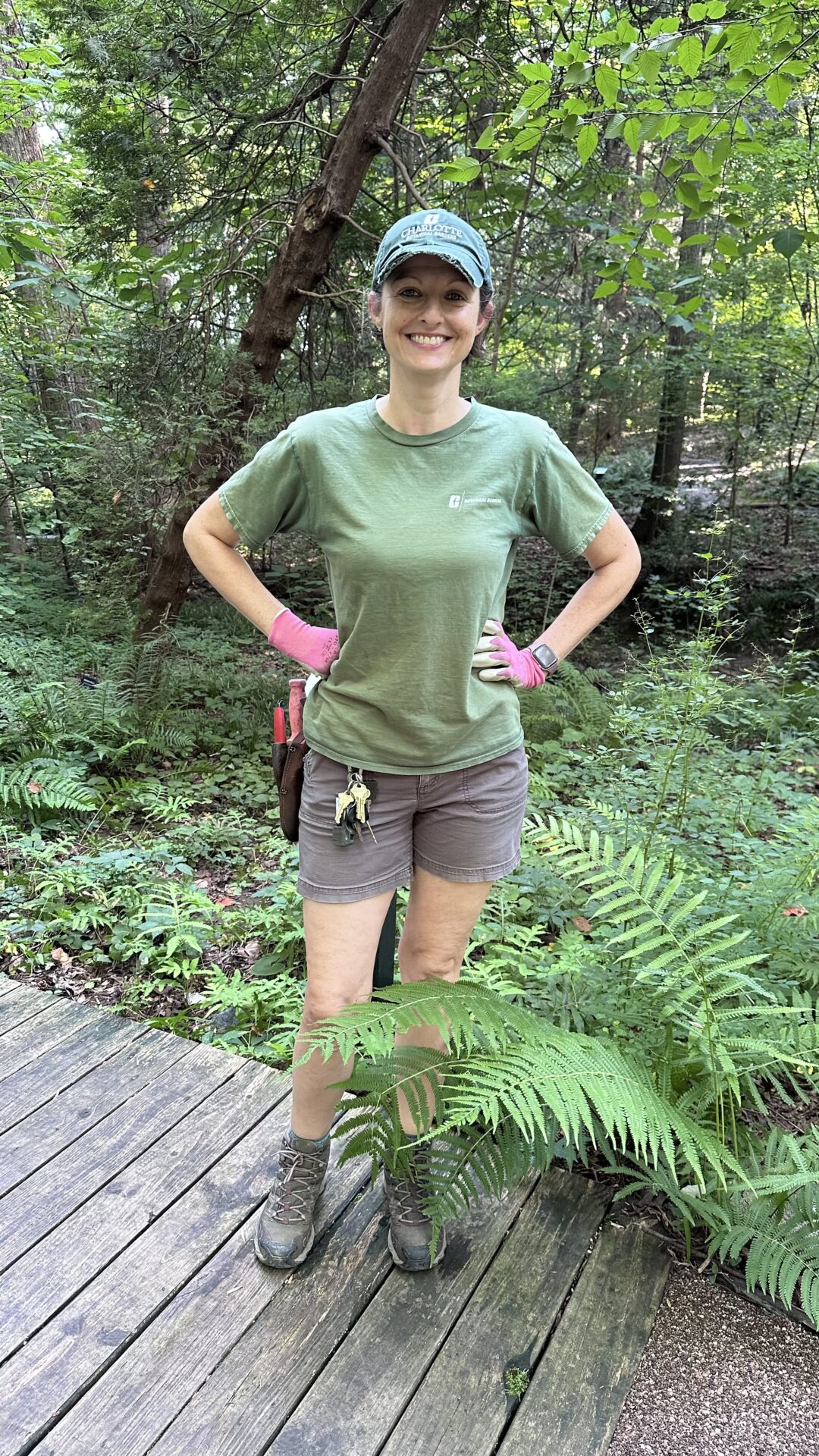
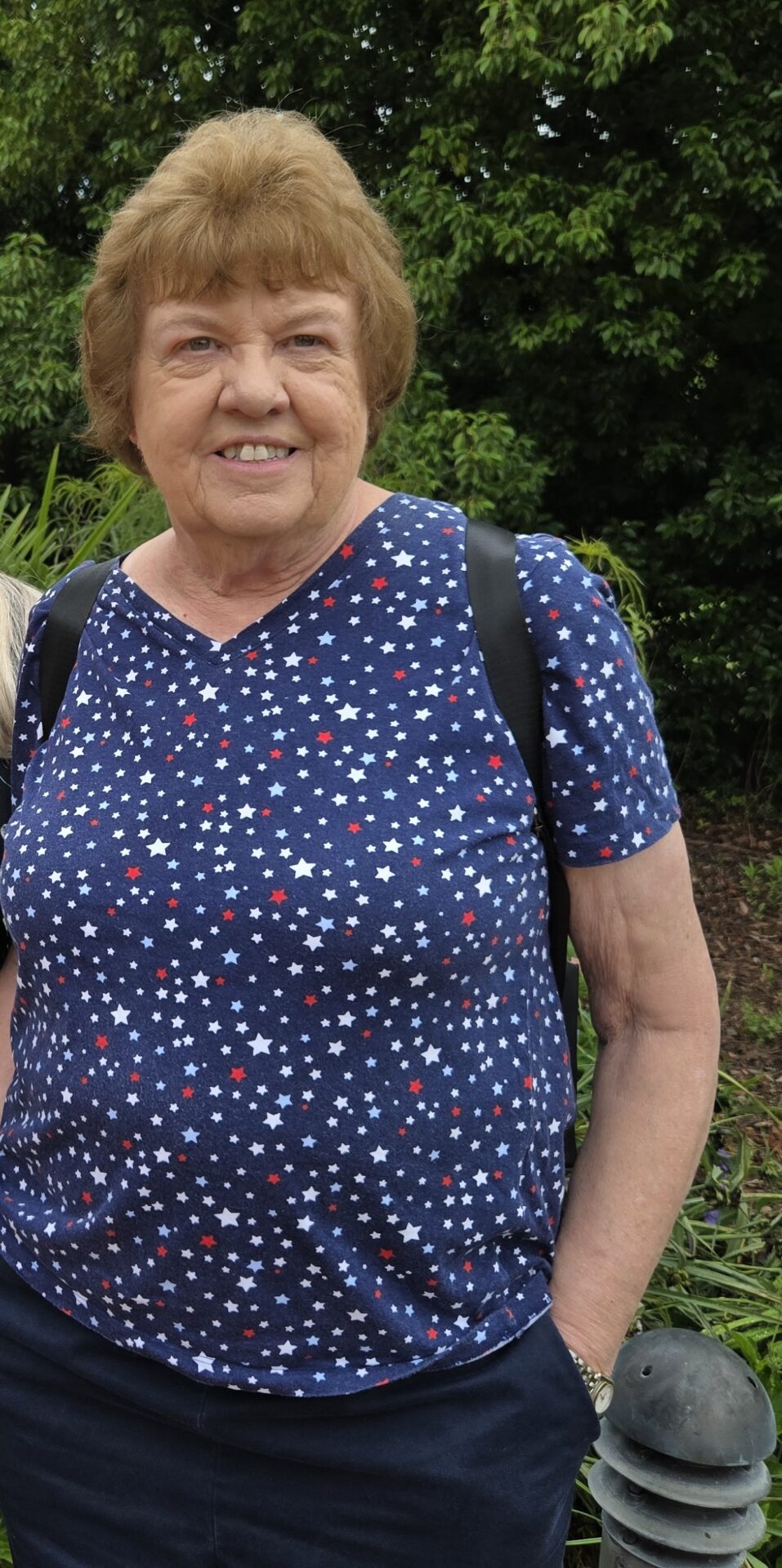
Click on a picture to scroll through the gallery and view individual captions.
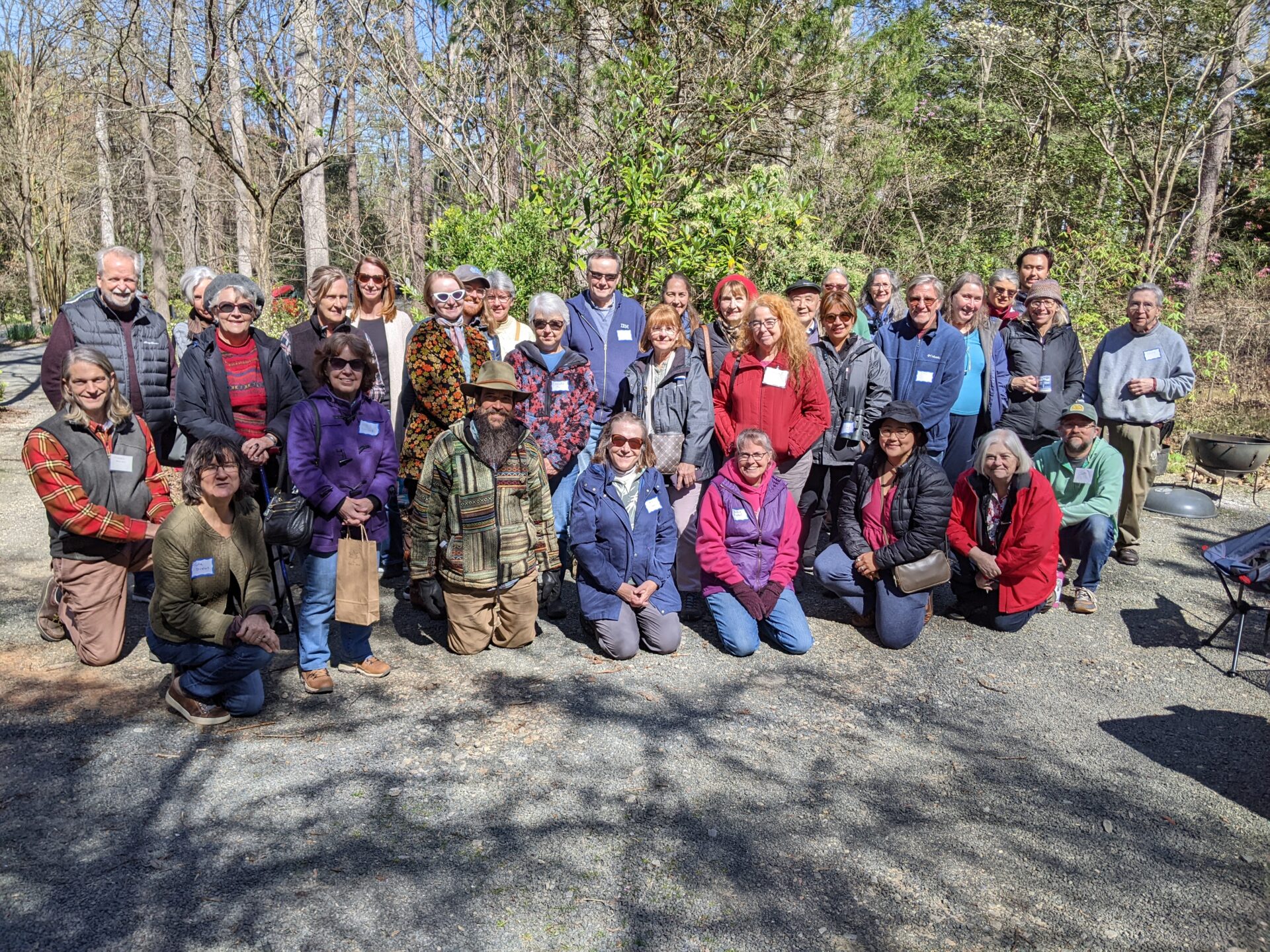
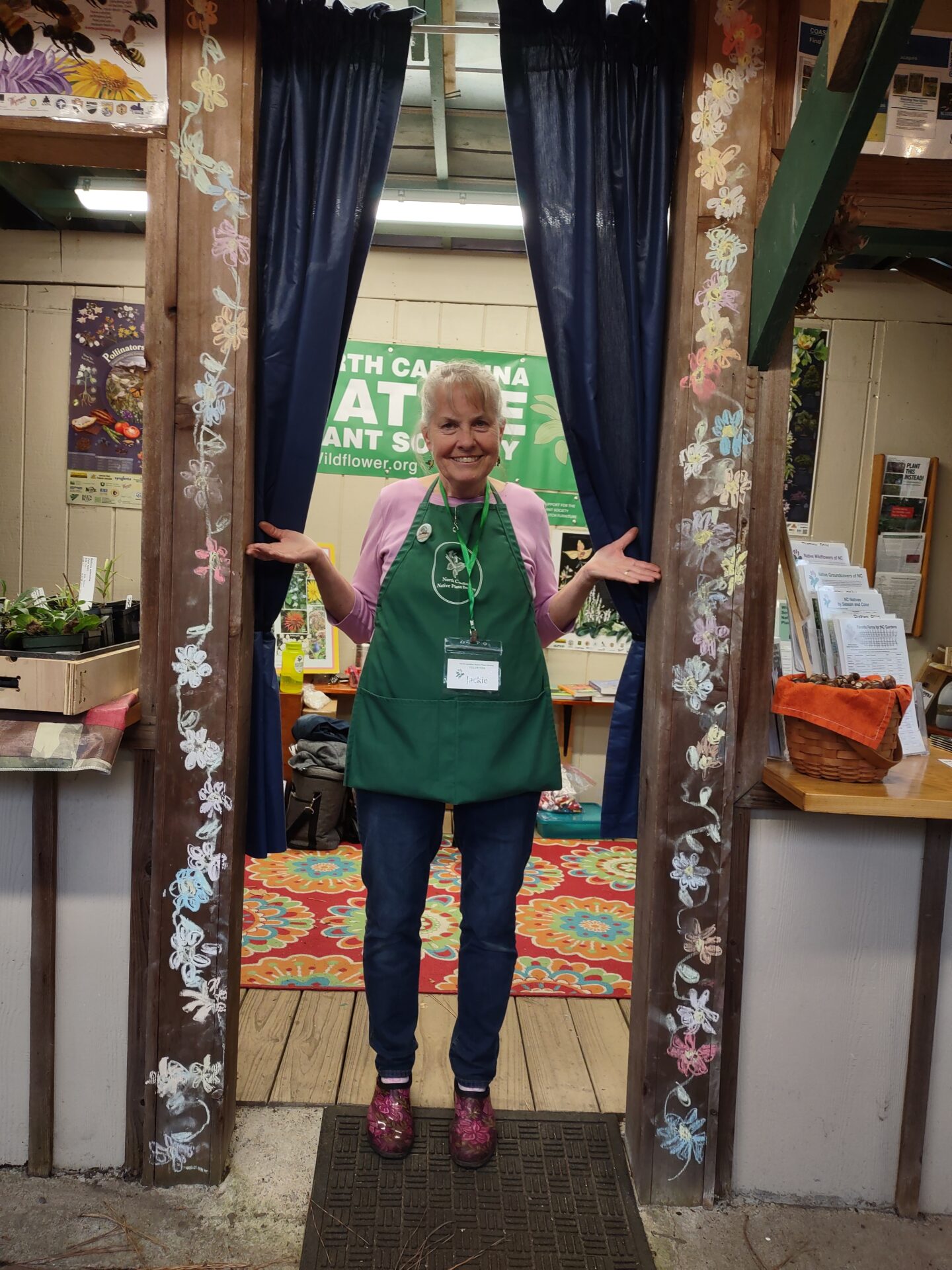
Margaret Reid Chapter (The Triangle area of Raleigh, Durham, and Chapel Hill)
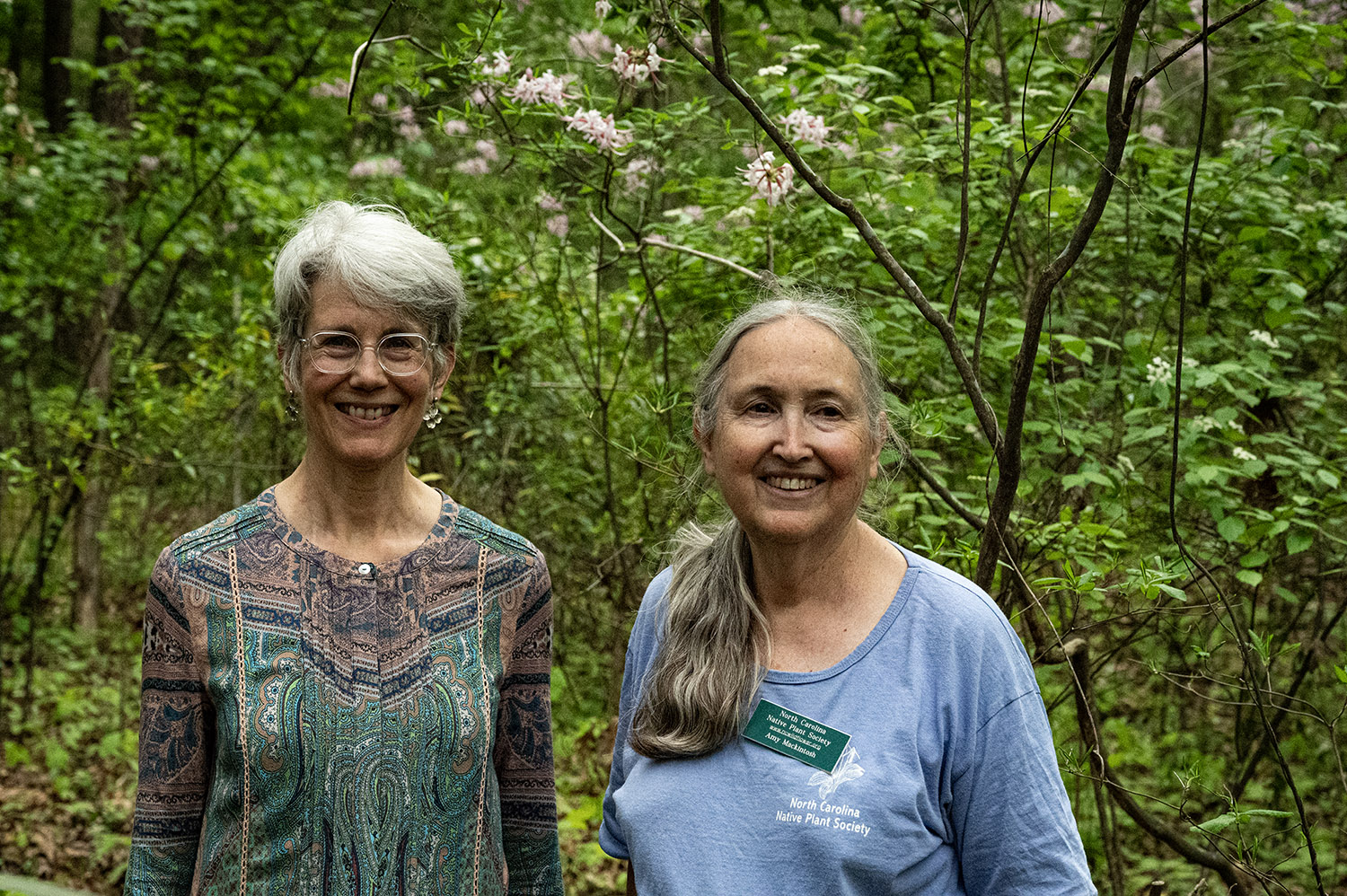
Founded by Marlene Kinney in 2003, and encouraged by Tom Harville and Alice Zawadzki. Current leaders are Amy Mackintosh and Margaret Partridge with support from Jackie Trickel, Lynne Hebble, Louise Romanow, and a team of regular event and trip leaders. There are 789 members.
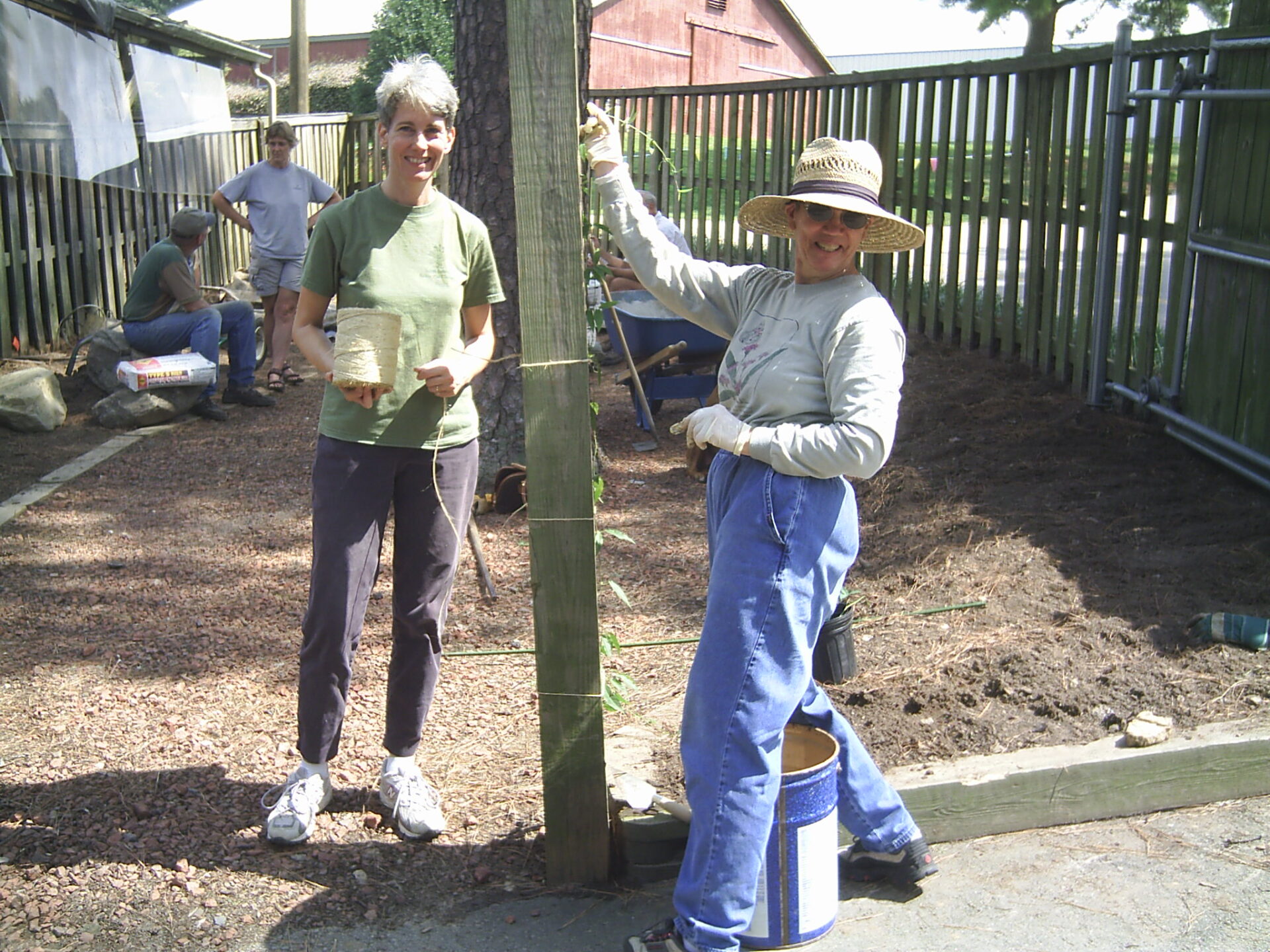
The chapter was originally formed by local NCNPS members and named the Triangle chapter. However after several years of overlapping mailing lists, shared field trips and other activities with Friends of the Margaret Reid Garden, the Reid Garden Friends merged into the chapter. The chapter became the Margaret Reid Chapter, and adopted the Margaret Reid Wild Flower Garden as a chapter project. The Margaret Reid Chapter continues to host meetings, plant shares, and workdays at the Reid Garden. Main chapter activities are field trips rather than meetings and talks. Members visit natural areas, native plant gardens, and projects by kindred organizations in locations around the Triangle area. Alice Zawadzki, NCNPS president 2002–2006, was an ardent supporter of the chapter, sharing her love and curiosity about native plants on many field trips.
In 2006, Chapter Chair Margaret Partridge accepted the invitation to have a permanent display garden at the North Carolina State Fair. It was created with substantial assistance from Duke University and more recently expanded into an information booth and additional gardens. Many members volunteer and engage with fairgoers each fall during the 11 days of the fair.
In addition, the chapter adopted a 35-acre segment of Black Creek Greenway in 2013 and has been improving its wildlife habitat through invasive plant removal and native planting during regular workdays. The chapter is a partner organization for the Chatham/Durham/Orange/Wake Master Naturalist Volunteers training program and helps identify and support Impact Projects for their participants to undertake. Magaret Reid Chapter also supports Wake Audubon’s effort to start a Bird Friendly Habitat Certification program as team members for site visits.
In 2025, Reid Chapter members proposed a statewide celebration of the Society’s 75th Anniversary and took the lead in organizing a September 25-27, 2026 celebration in Pittsboro with field trips, workshops, speakers, plant sale and networking, attracting members from throughout the state.
Follow the Margaret Reid Chapter Facebook page.
Click on a picture to scroll through the gallery and view individual captions.
Triad Chapter (Greensboro, Winston-Salem, and High Point area)
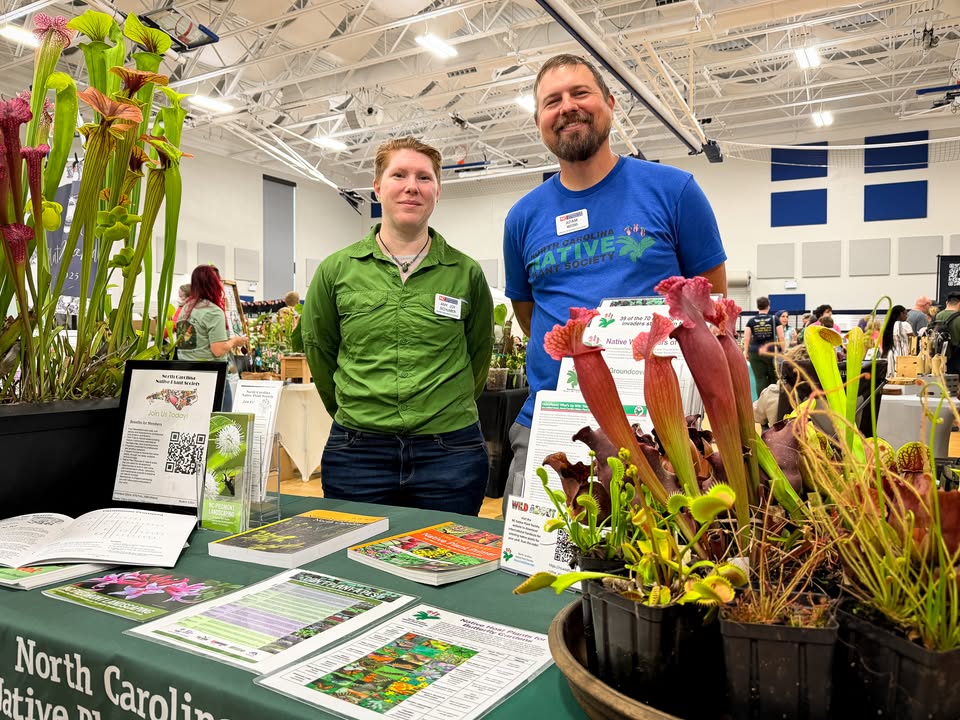
Founded by Judy West, Lynda Waldrep, and Kathy Schlosser in 2004.
Current leader is Adam Webb. There are 451 members.
The chapter has monthly meetings in the evenings at the Kathleen Clay Edwards Library in Greensboro. Each year there is a seed swap and plant swap. Often, members bring native plants to meetings to be given out as door prizes. Last year a discussion group was created for members to meet during daytime hours to discuss a new topic each month.
Led by Diane Laslie and Ann Walter-Fromson, members continue to work with Greensboro Parks & Recreation Department to plant natives and remove invasives at the Bog Garden at Benjamin Park, Greensboro. In celebration of the Society’s 75th anniversary, 30 members of the Triad chapter visited the Piedmont Environmental Center in High Point to participate in a bioblitz using iNaturalist. A second group removed invasive plants.
The Triad Chapter coordinates an NCNPS information booth every January at the NC Nursery & Landscape Association’s Green and Growin’ Trade Show held in Greensboro, for three days, reaching a wide variety of nursery growers, landscapers, and students across the state.
Join the Triad Chapter Facebook Group for an engaging discussion.
Click on a picture to scroll through the gallery and view individual captions.
Chapters created during 2010 through 2020
Southeast Coast Chapter (Wilmington area)
Founded by Lara Berkley and Cary Paynter in 2010.
Current leaders are Charley Winterbauer and Duane Truscott. There are 164 members.
The Southeast Coast Chapter is unique in having the coastal ecosystem that includes the seashore and its unique plants. In addition the area also has the Venus Flytrap ecosystems.
The Venus Fytraps are native only to a small, restricted coastal region of North Carolina and South Carolina. They are found in the wild within a roughly 75-mile to 100-mile radius of Wilmington that favors wet savanna and Longleaf Pine habitats.
Chapter members not only educate members and the public about native plants, but include walks and talks about fungi and the tie-in and the importance of native plants for birds.
The Southeast Coast Chapter is proud to have initiated the Native Plant Festival in Wilmington in 2014 under the guidance of Charley Winterbauer, chapter chair. This festival has grown over the years to a full-day, well-attended event. Future plans include more plant and seed exchanges.
Follow the Southeast Coast Chapter Facebook page.
Click on a picture to scroll through the gallery and view individual captions.
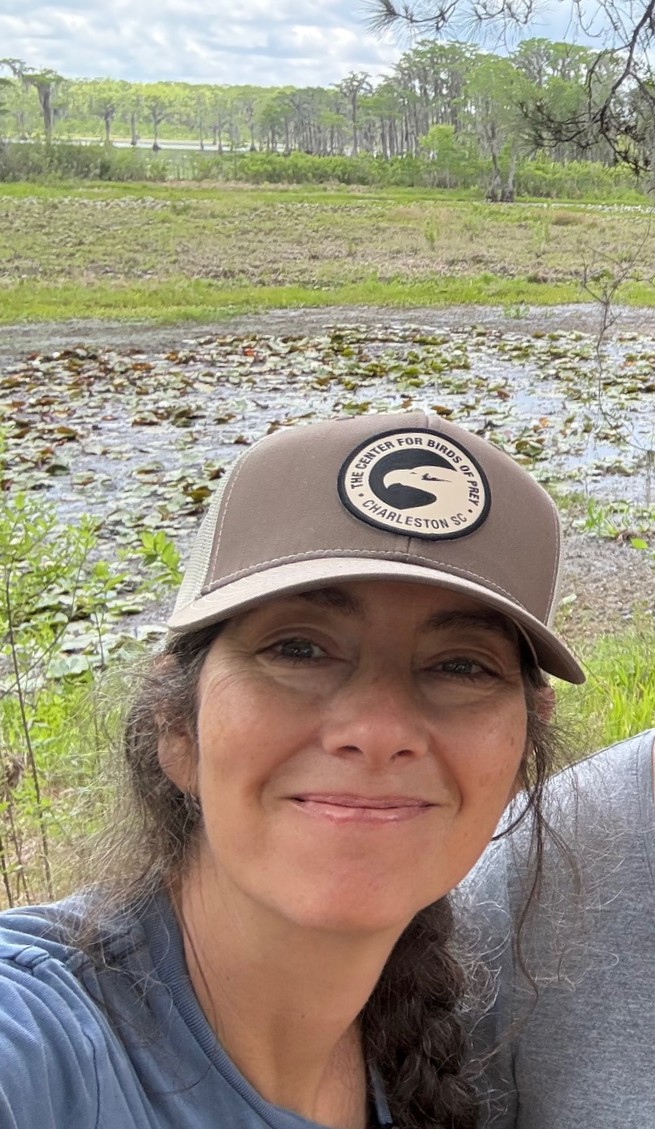

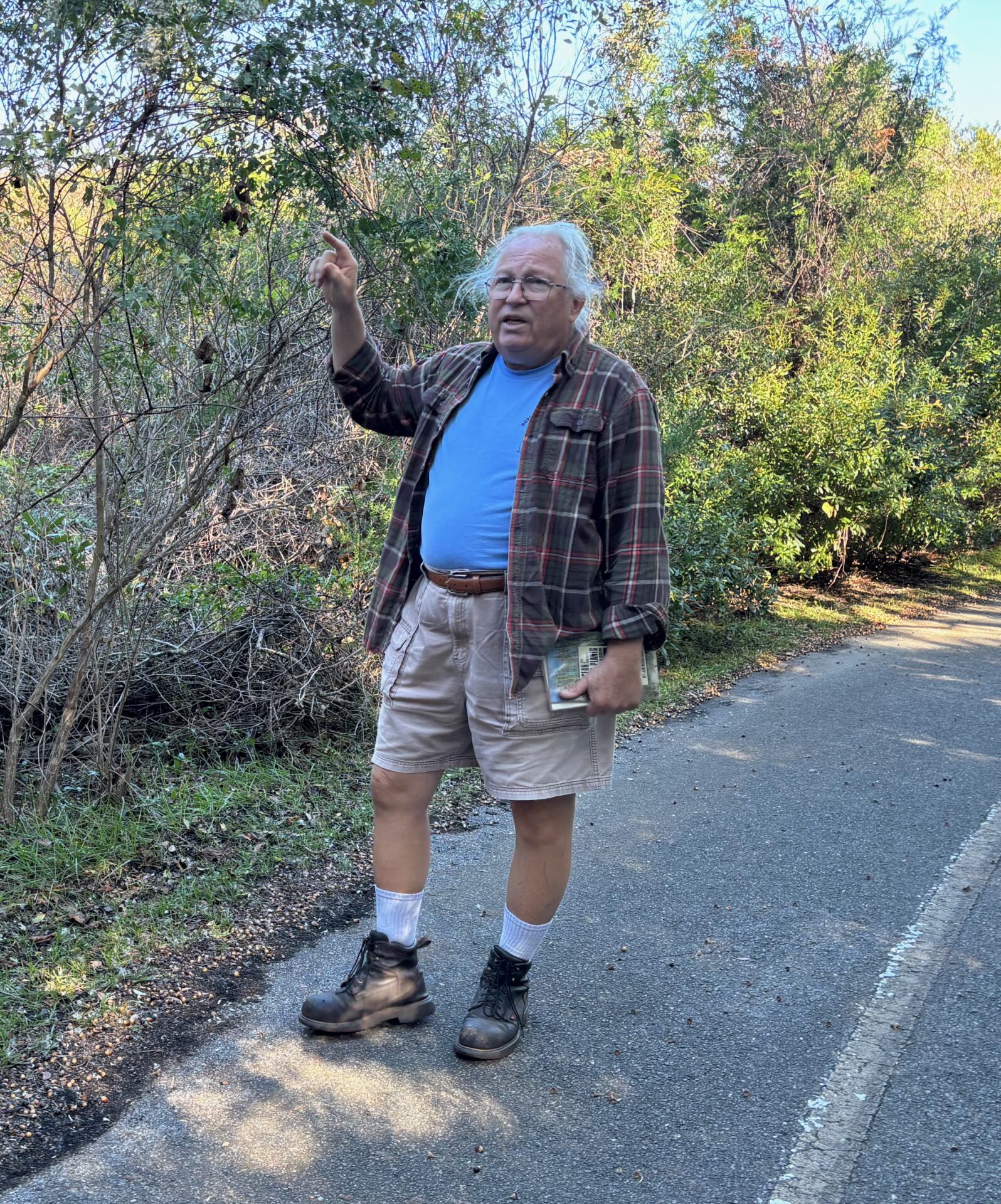
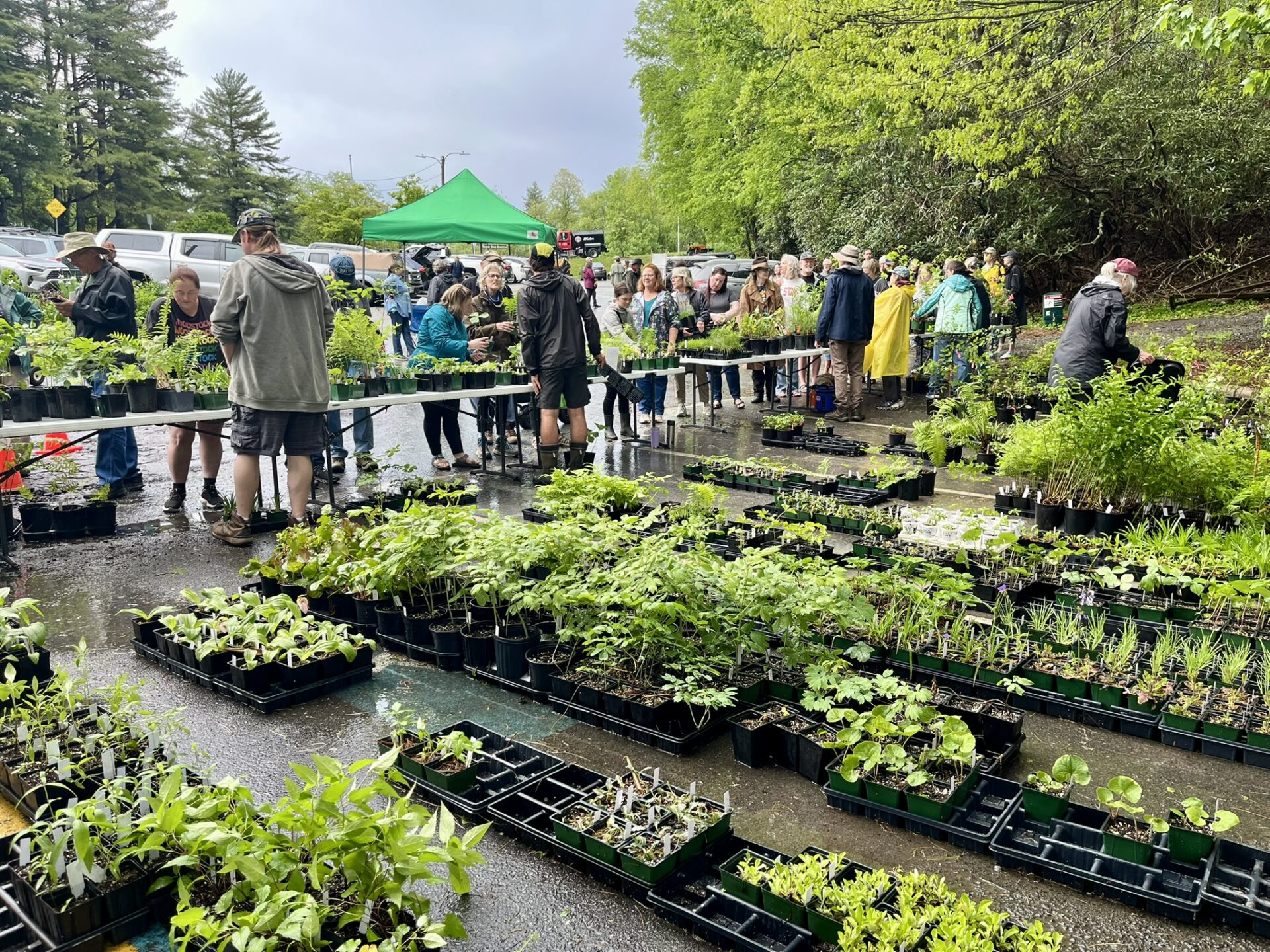
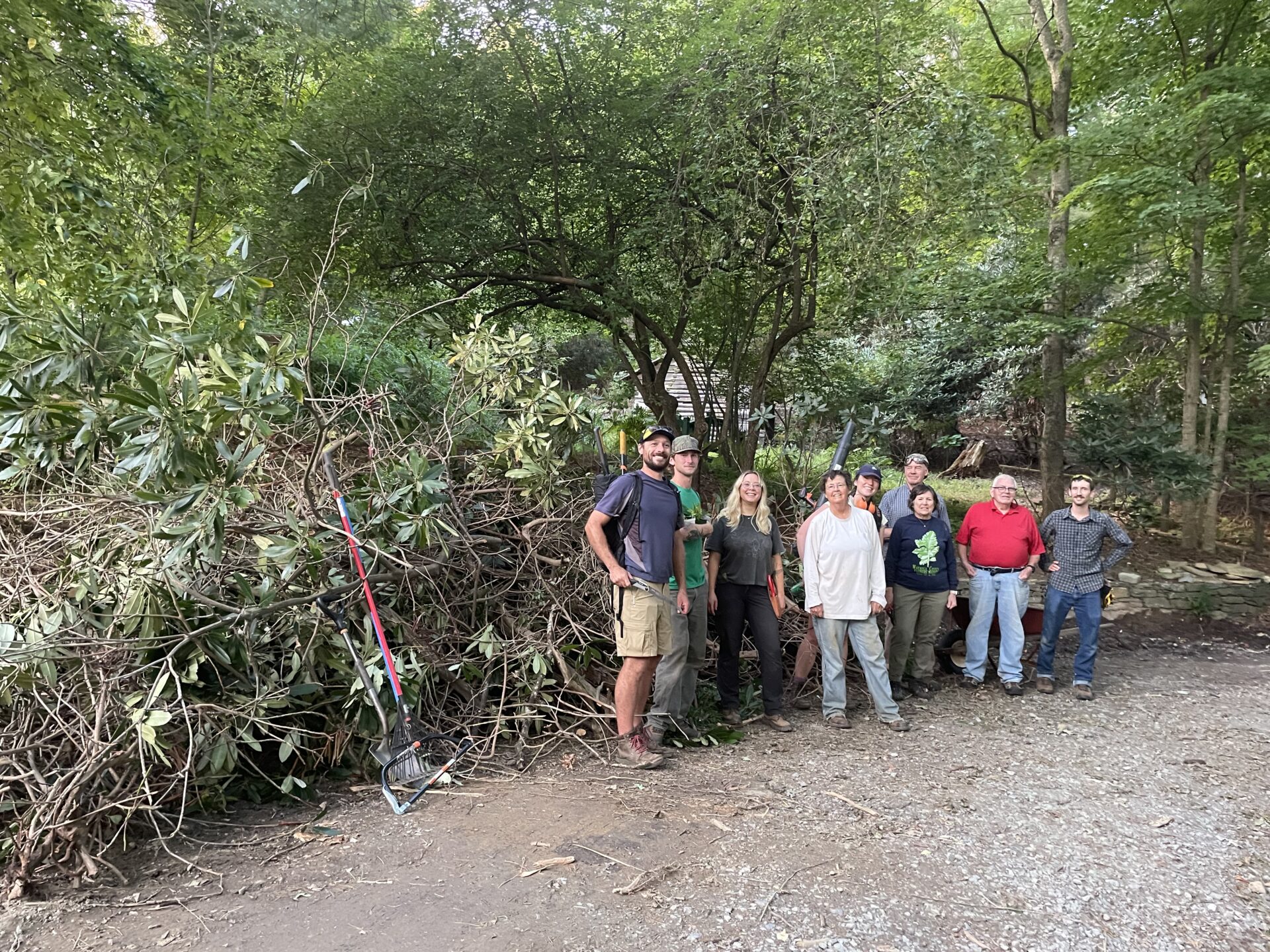
Blue Ridge Chapter (Boone area)
Founded by Mark Rose in 2015.
Current leaders are Debbie Shetterly, Sue McBean, Mark Rose, Katherine Schoffner, Bob Oelberg, Annkatrin Rose, John Dwyer, and Rachel Knoepfel. There are 210 members.
The Blue Ridge Chapter embodies mountain independence and resilience. The chapter is fortunate to be able to partner with local organizations such as High Country Audubon, Daniel Boone Native Gardens, New River Conservancy, local state parks, Mountain True, Watauga County, the Town of Boone, High Country Habitat Restoration Coalition, and Appalachian State University.
Chapter activities include hikes to area favorites including Daniel Boone Native Gardens, Blue Ridge Parkway, Green Valley Park, Howard Knob, Boone United Trail, Valle Crucis Park, Blue Ridge Conservancy Campus, and Boone Greenway. Future plans include support for restoration of sites that were damaged from Hurricane Helene and fostering the growth of Daniel Boone Native Gardens.
Follow the Blue Ridge Chapter Facebook page.
Click on a picture to scroll through the gallery and view individual captions.
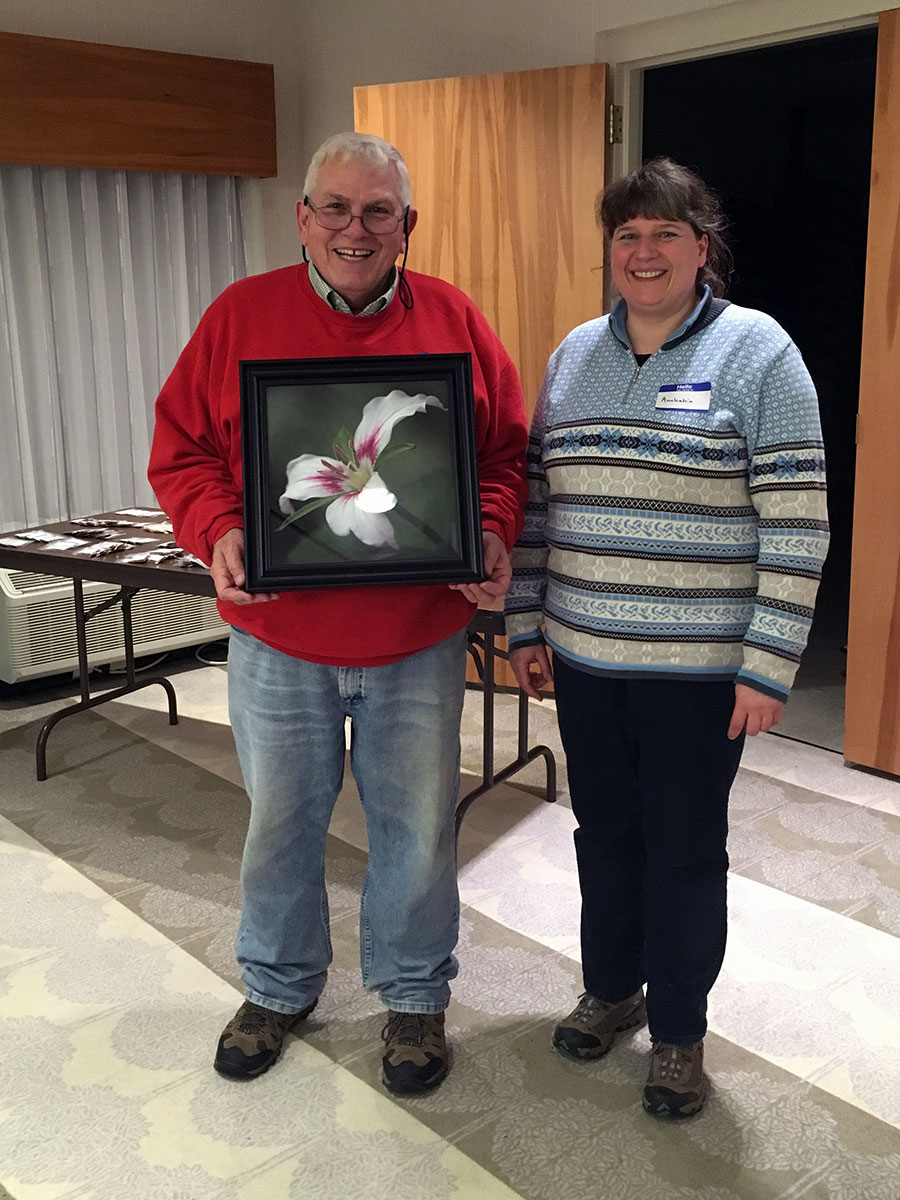

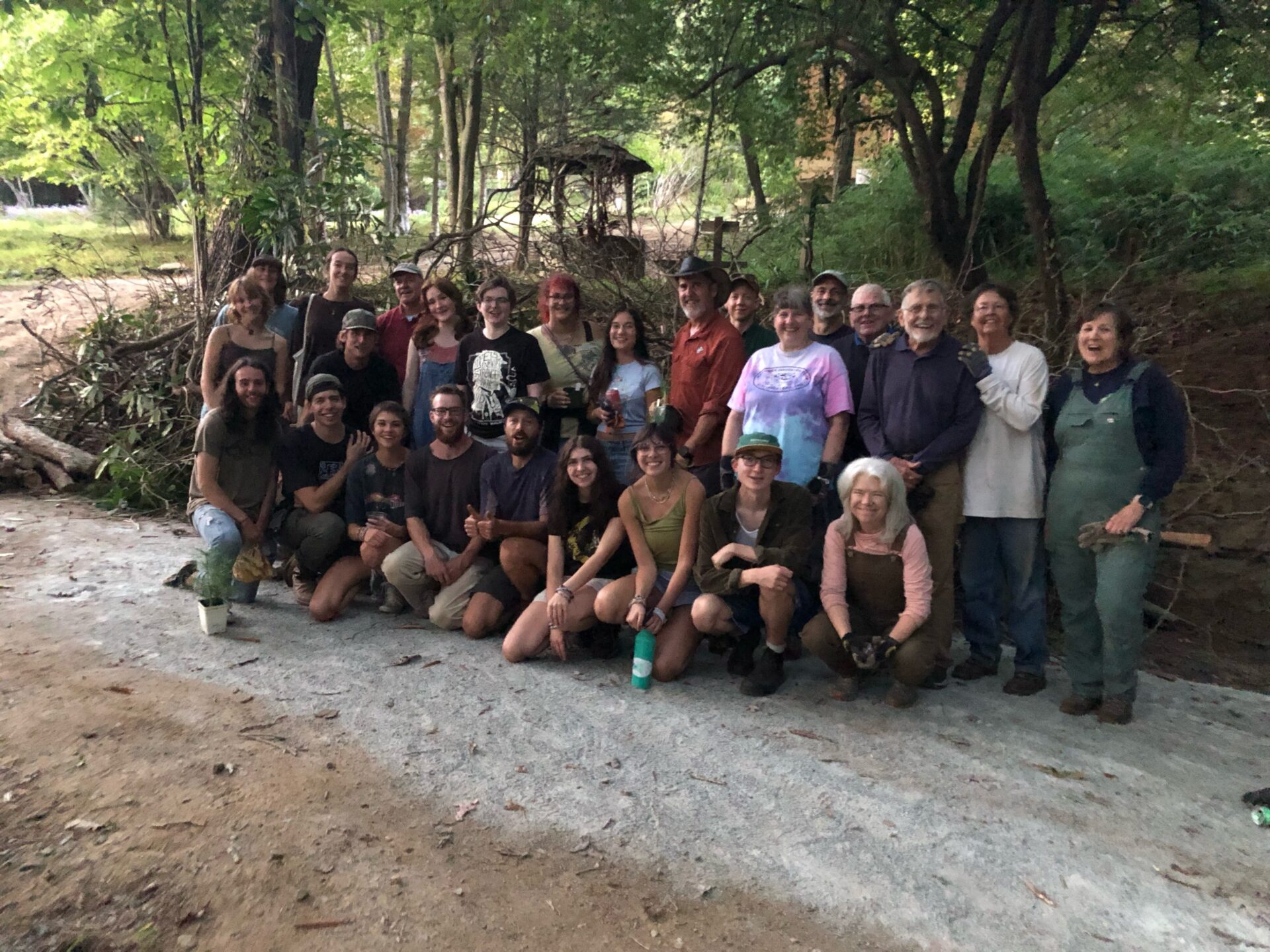
Chapters that started 2020 to 2026
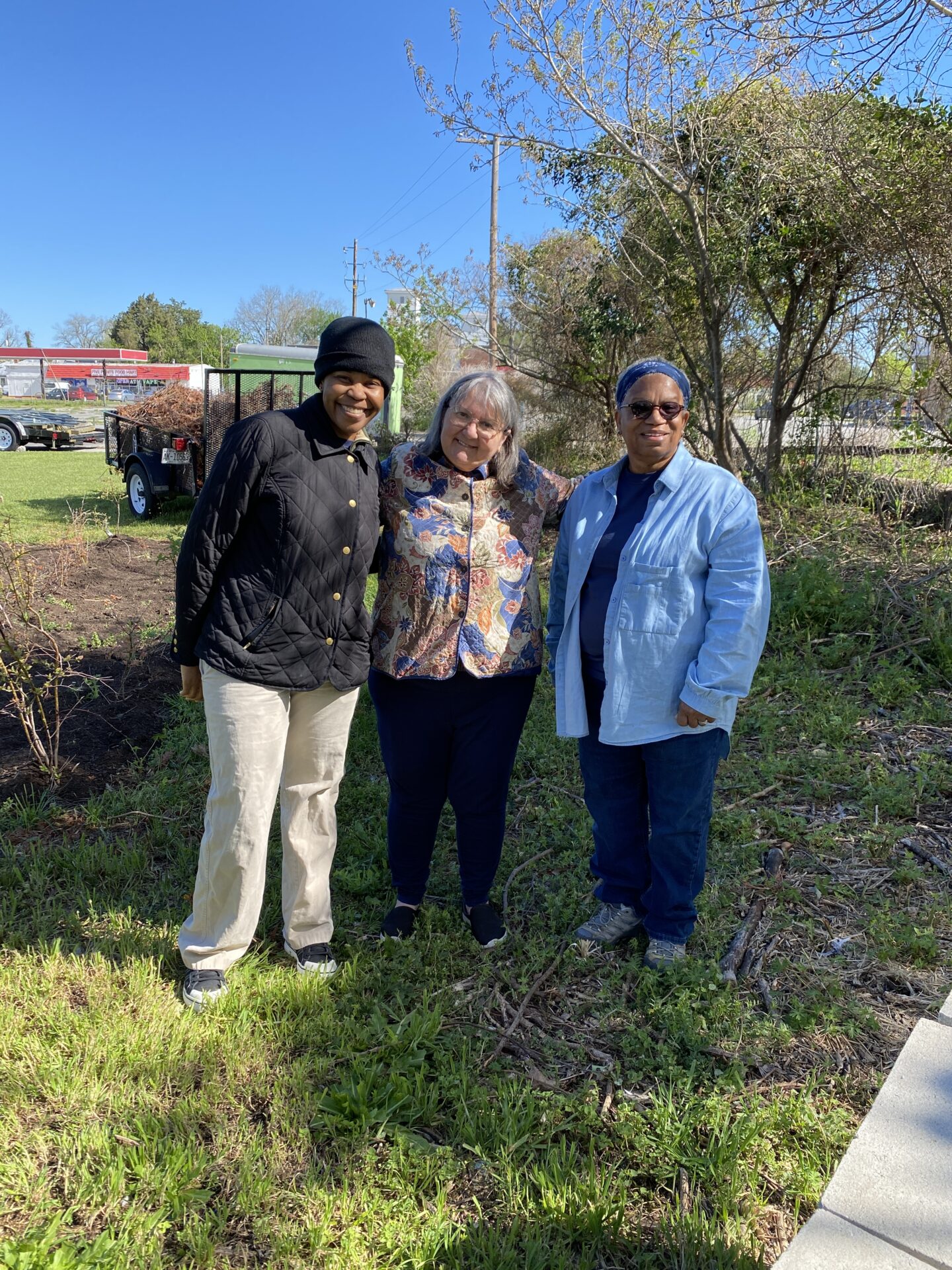
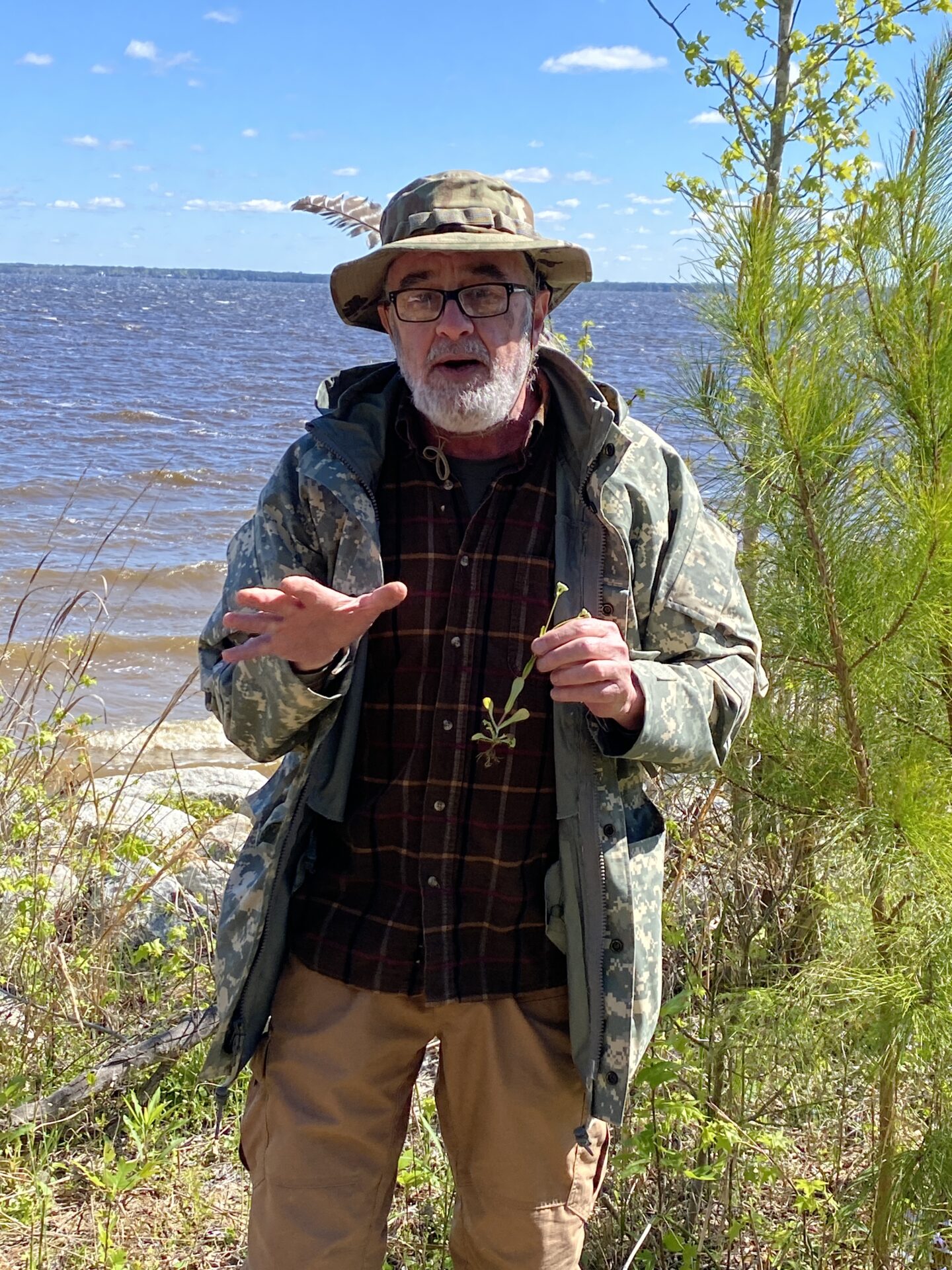
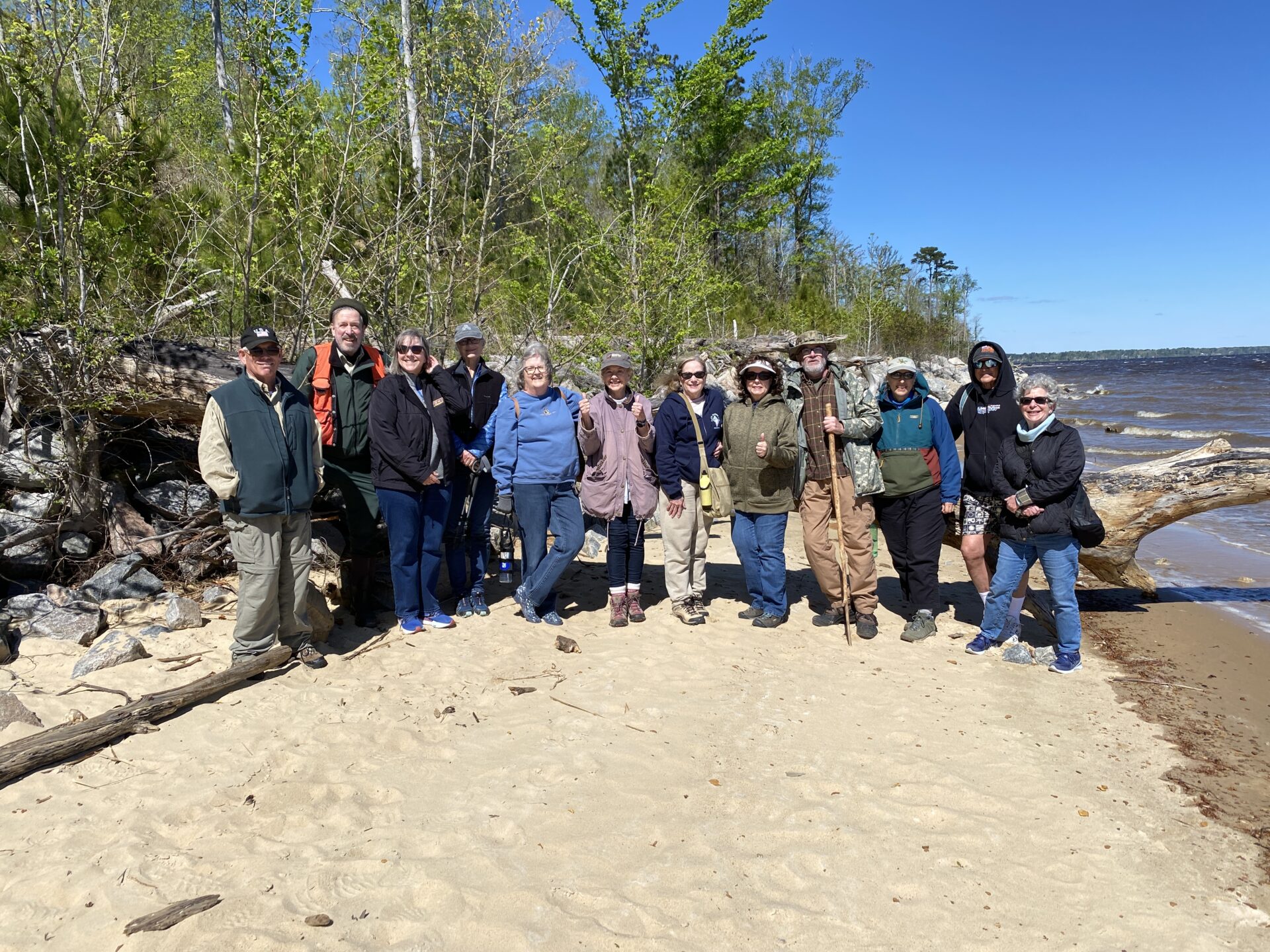
Central Coastal Plain Chapter (New Bern area)
Founded by Carol Peoples, Anna Helvie, Karen Mulcahy, and Dale Tilson in 2021.
Current leaders are Carol Peoples, Eric VanNortwick, Jeff Pierce, and Karen Mulcahy. There are 169 members.
The Central Coastal Plain is a biodiversity hotspot, including the Longleaf Pine ecosystem, a once-vast area that supports plants that thrive in nutrient-poor, fire-dependent soils of pine savannas and pocosins. Carnivorous plants including the Venus Flytrap, Yellow Pitcherplant and sundews, have evolved to thrive here. Further inland, ancient Cypress-Gum swamps rise from blackwater rivers where ancient trees create a canopy draped in Spanish-moss. As the plain meets the Atlantic, the ecosystem is shaped by wind, salt spray and shifting sands. Maritime forests, dunes, and sound-side marshes support a rich tapestry of life.
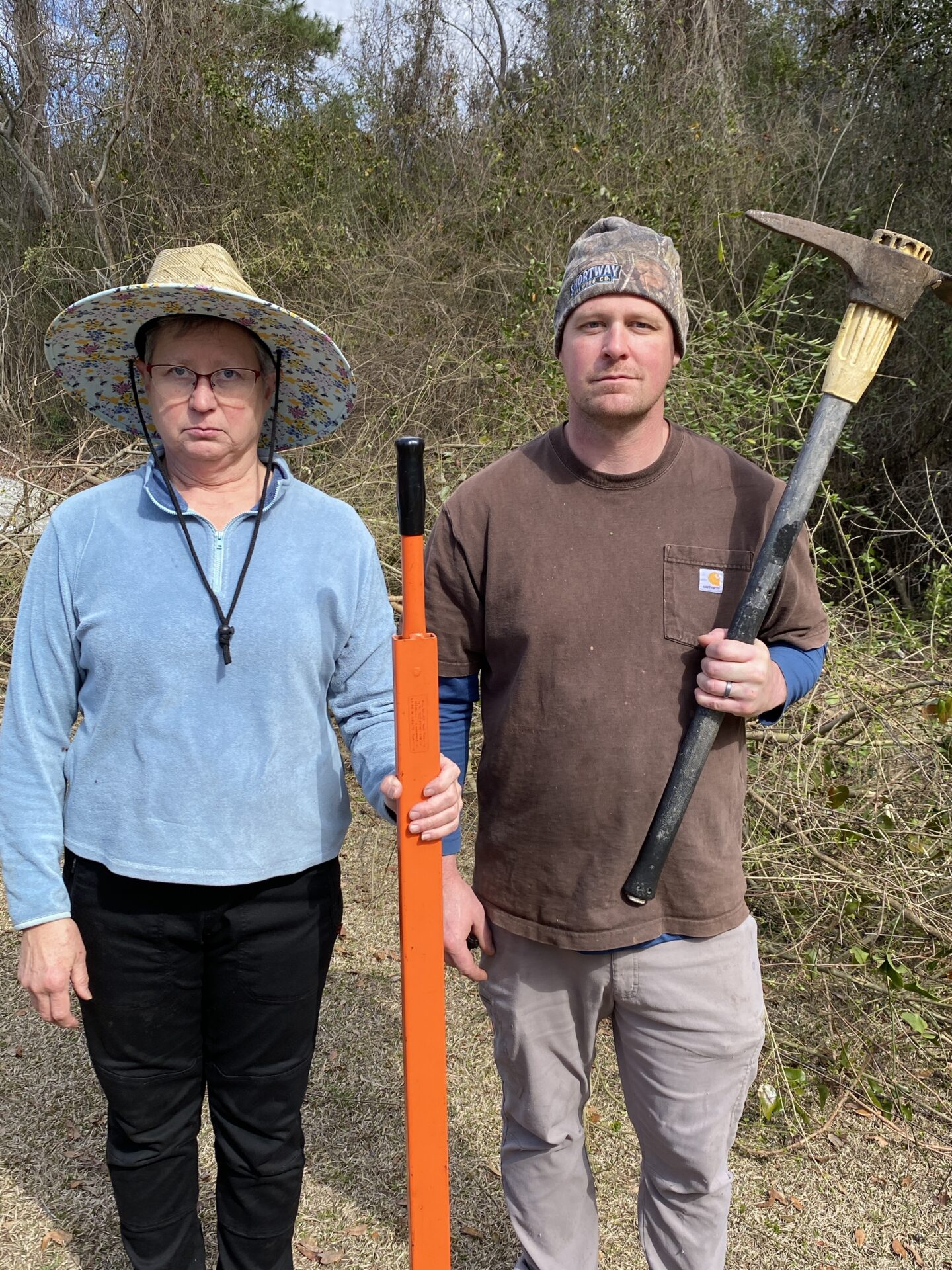
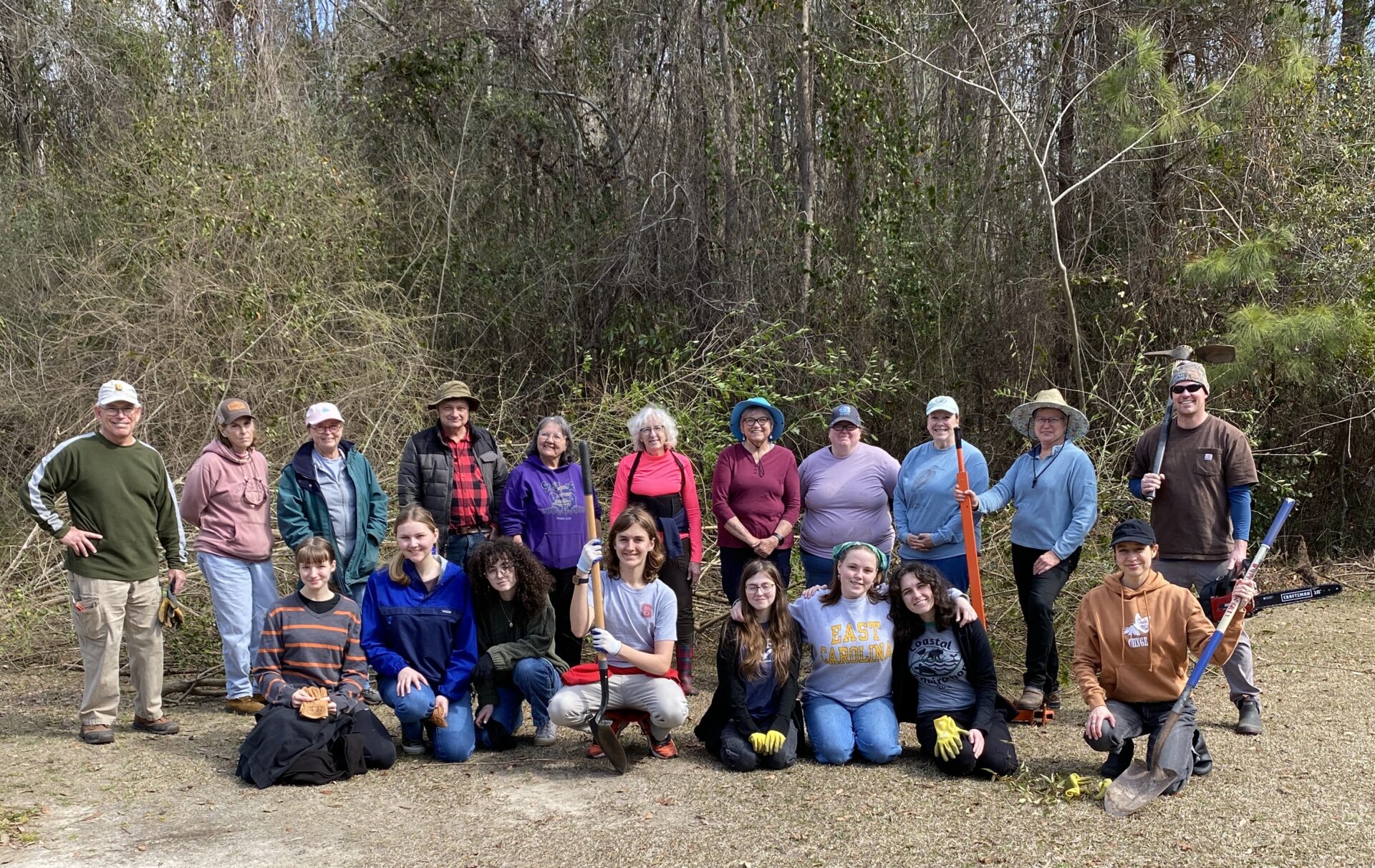
Chapter goals are to share the beauty and importance of the central coastal plain through educational events and activities. Opportunities include botanizing walks in support of conservation of our remaining natural places and to encourage adding native flowers, grasses, shrubs, and trees to home landscapes. Chapter activities include visits to the Croatan Forest; annual pulls of invasive privet plants at Creekside Park in Craven County, seed swaps at Shortway Brewery in Newport, and plant swaps at Creekside Park.
The chapter coordinates with the Croatan Chapter of the Sierra Club and the Carteret County Wildlife Club. Chapter members also make presentations for various Master Gardener groups and encourage mutual participation in our events as well. The Central Coastal Plain Chapter has a representative on the Coastal Landscapes Initiative, a public-private collaboration led by NC Sea Grant, whose aim, through public outreach and education, is to increase native plants in community and individual properties.
Follow the Central Coastal Plain Chapter Facebook page.
Click on a picture to scroll through the gallery and view individual captions.
Land of the Sky Chapter (Asheville area)
Founded and currently led by Destini Petitt and Jean Woods.
There are 149 members.
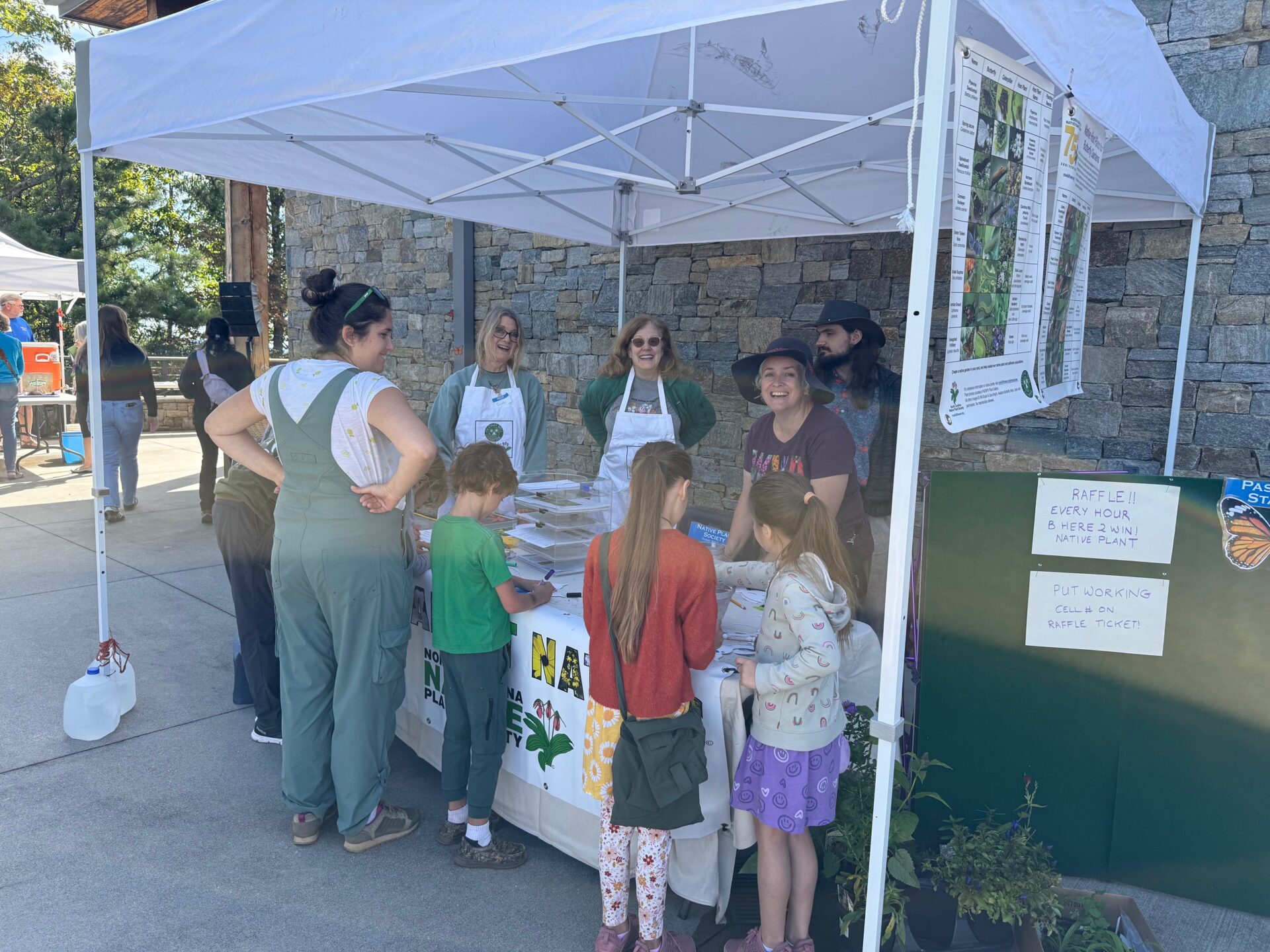
The Land of the Sky Chapter of the NC Native Plant Society is based in western North Carolina and covers a diverse landscape from the foothills of Brevard to the highlands of the Blue Ridge Parkway. Their focus is on practical native plant education covering topics from winter identification to fun botanical hikes.
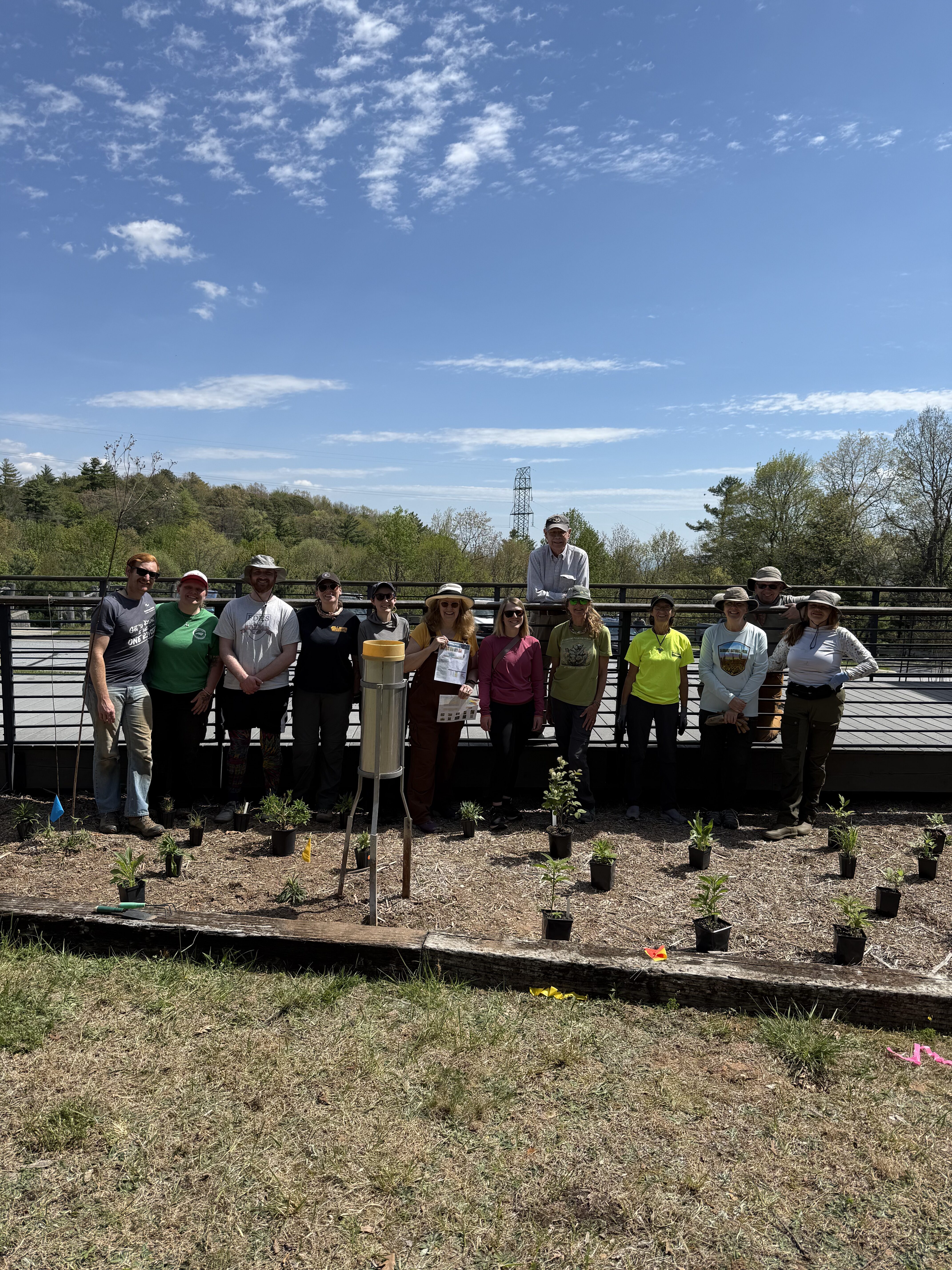
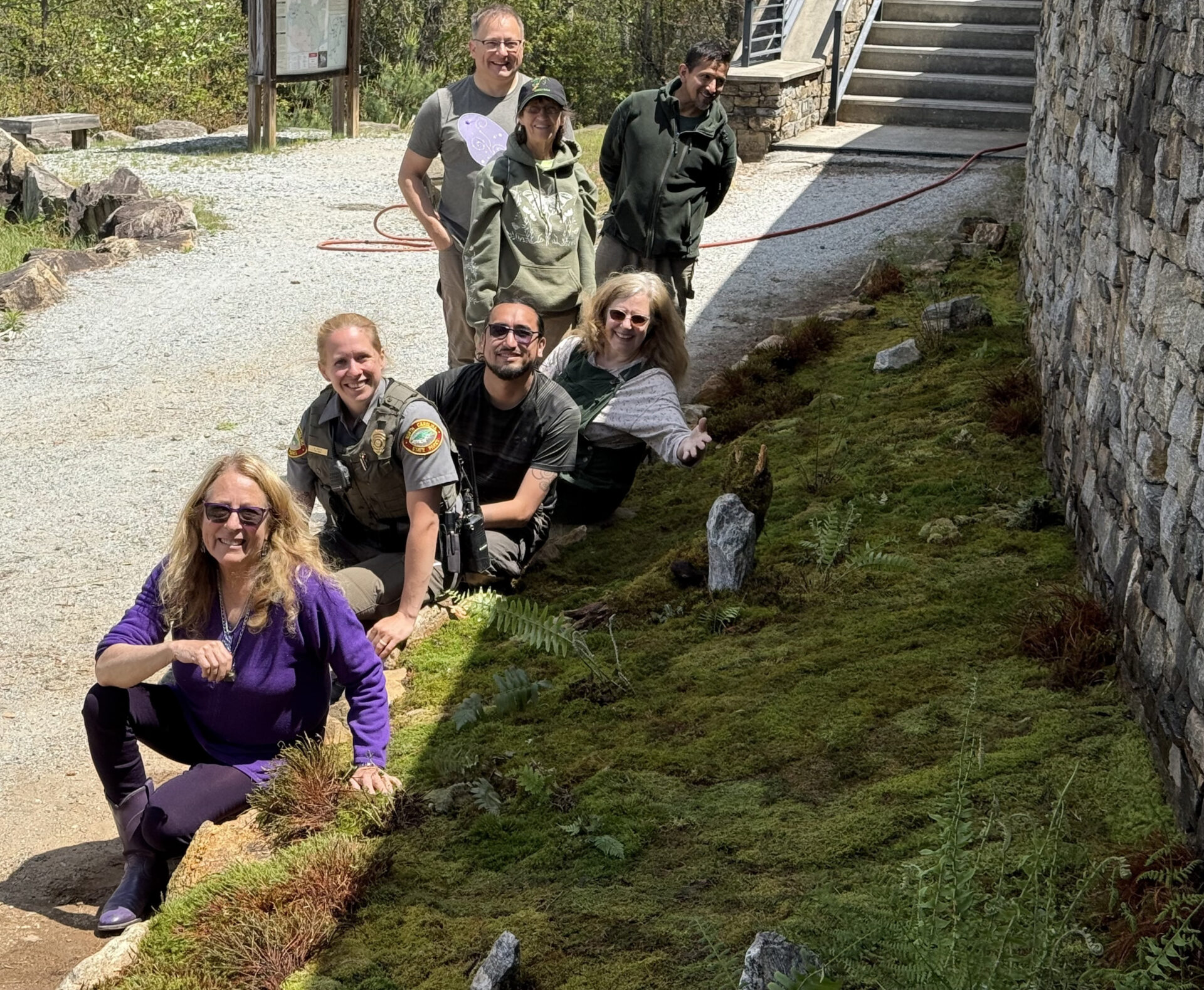
The chapter has a community partnership with Brevard Sustainability Council in the creation of a native pollinator garden at Silvermont Mansion in Brevard, NC. Chapter meetings are often held at the Asheville Botanical Garden. Recently the chapter installed a moss garden at Gorges State Park with Oconee Bell Chapter and the help of Mossin’ Annie.
In 2026 the Land of the Sky chapter is working to complete an erosion control booklet that provides practical tips to identify issues as well as how to remediate those issues.
Follow the Land of the Sky Chapter Facebook page.
Click on a picture to scroll through the gallery and view individual captions.

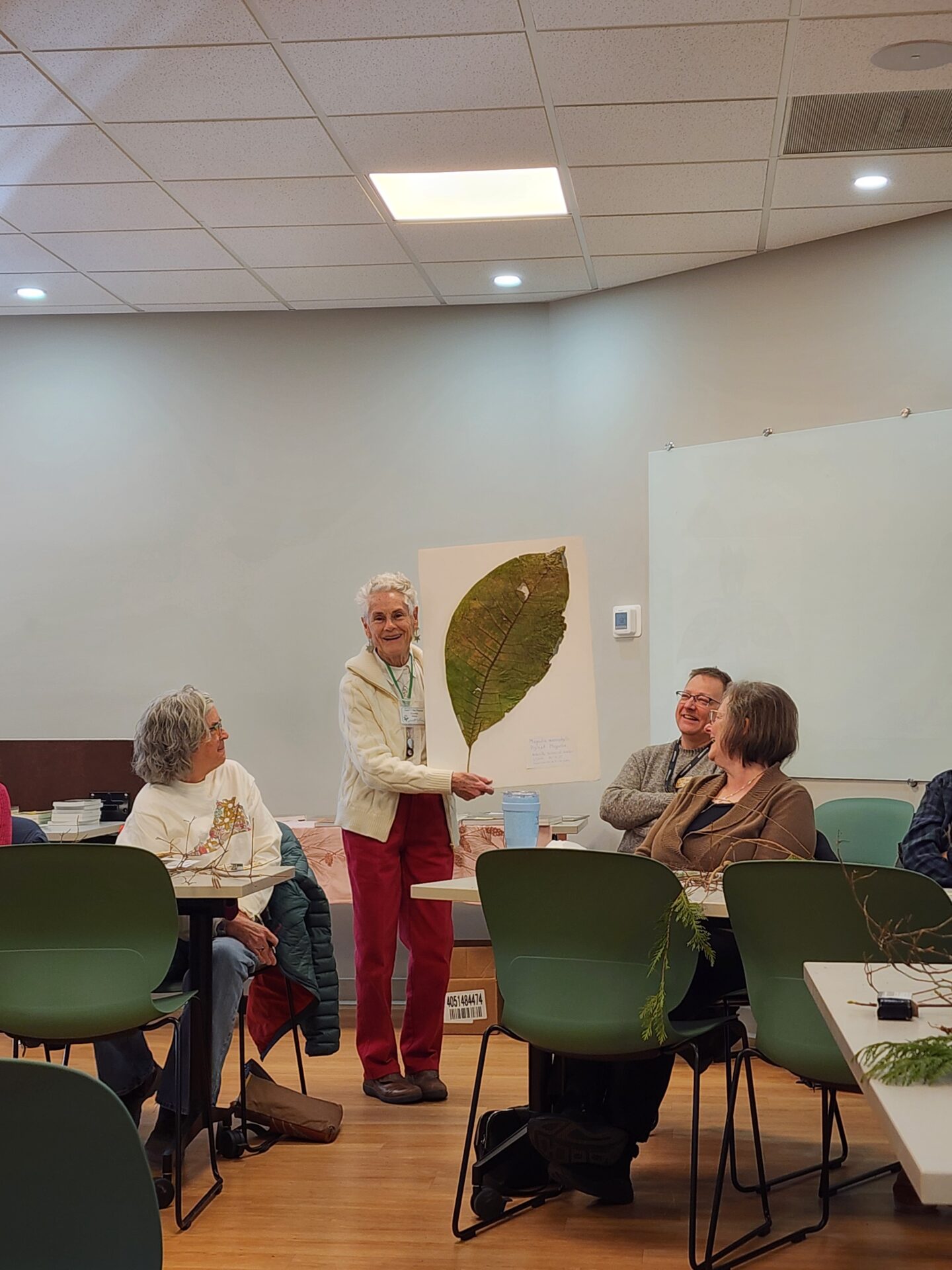
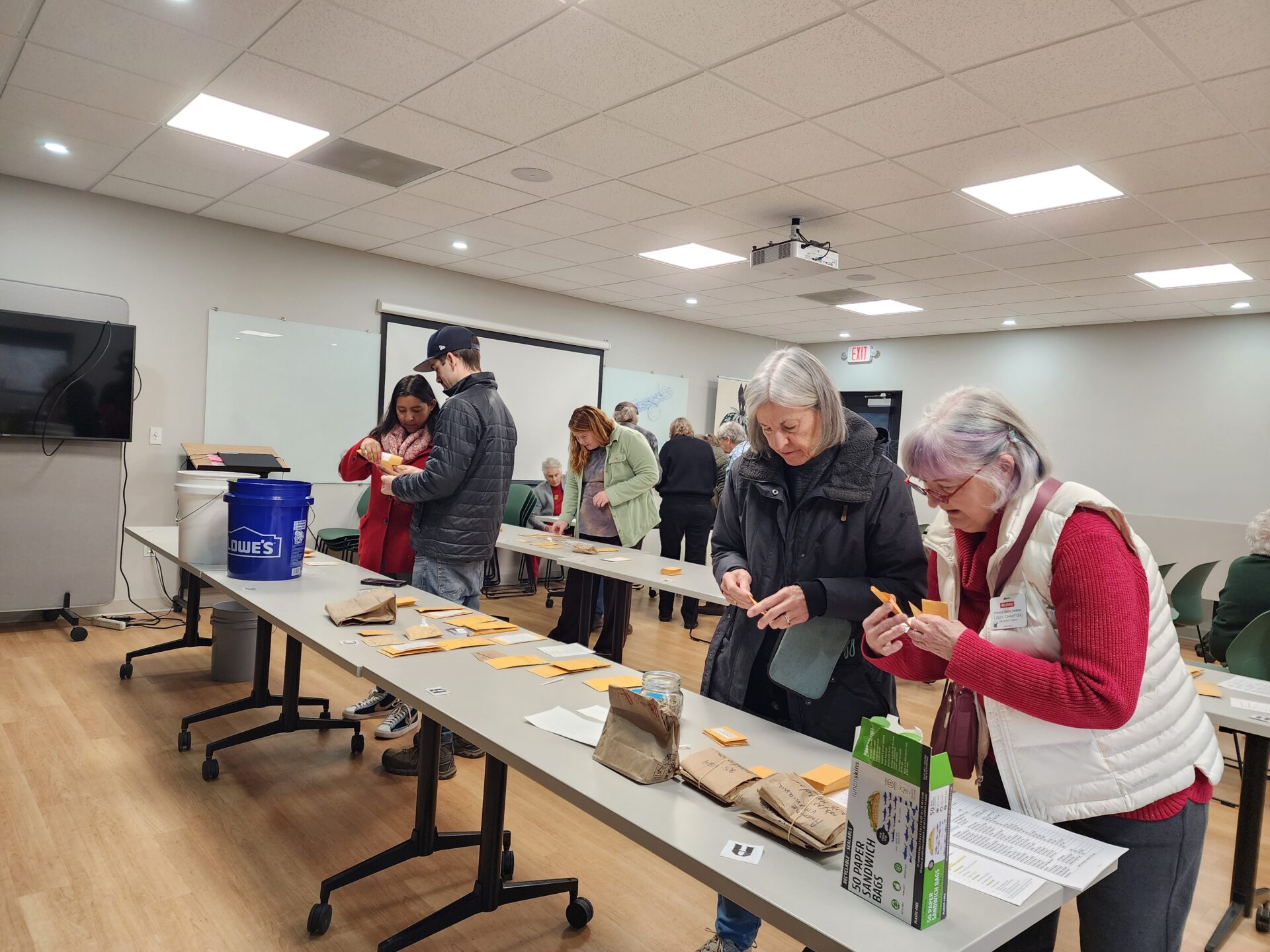
Oconee Bell Chapter (Cashiers area)
Founded by Beth Nathan and Nancy Anderson in 2023.
Current leaders are Cathy Reas-Foster and Nancy Anderson. There are 127 members.
Oconee Bell Chapter is focused on the temperate rainforest plants in our high altitude, cool plateau of the southern Blue Ridge Mountain range of the Appalachians. The Oconee Bell Chapter serves an area “within comfortable driving distance” of the Cashiers crossroads.
The native plants in this rare temperate rainforest experience some of the highest average yearly rainfalls in the United States, from 80 to100 inches, making it home to an abundant natural diversity of evergreen and deciduous trees, shrubs, and wildflowers. About half of the Oconee Bell Chapter members are seasonal residents who come to the mountains for the cool summer weather.
The Cashiers plateau spans the Macon, Jackson, and Transylvania County lines and the Eastern Continental Divide, with headwaters for seven rivers. Some flow toward the Gulf of Mexico watershed while others, including two federally designated “Wild and Scenic Rivers,” feed into the Savannah River basin that drains into the Atlantic Ocean.
Since its founding in 2023, chapter members, along with non-profit partners, have worked on
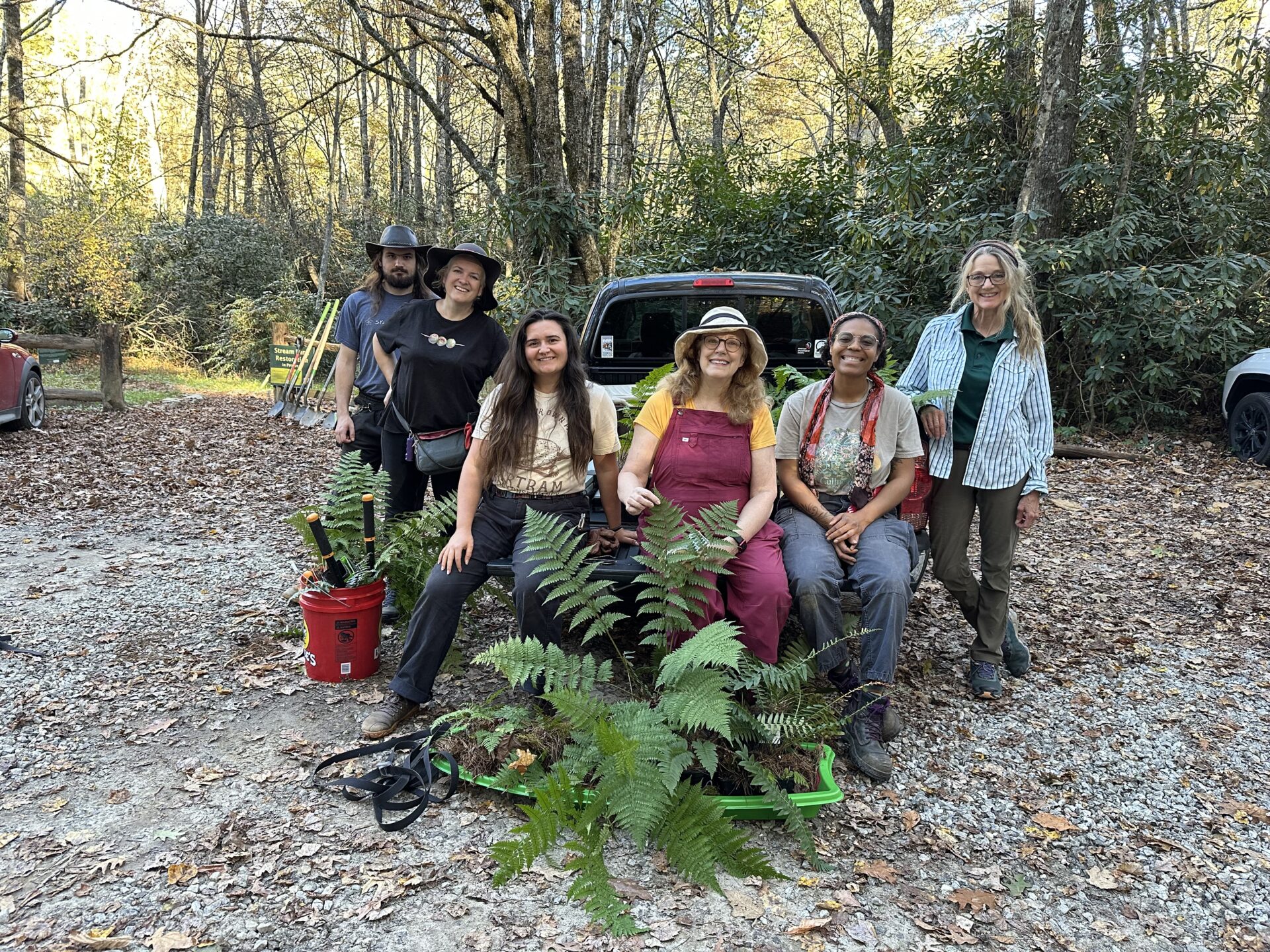
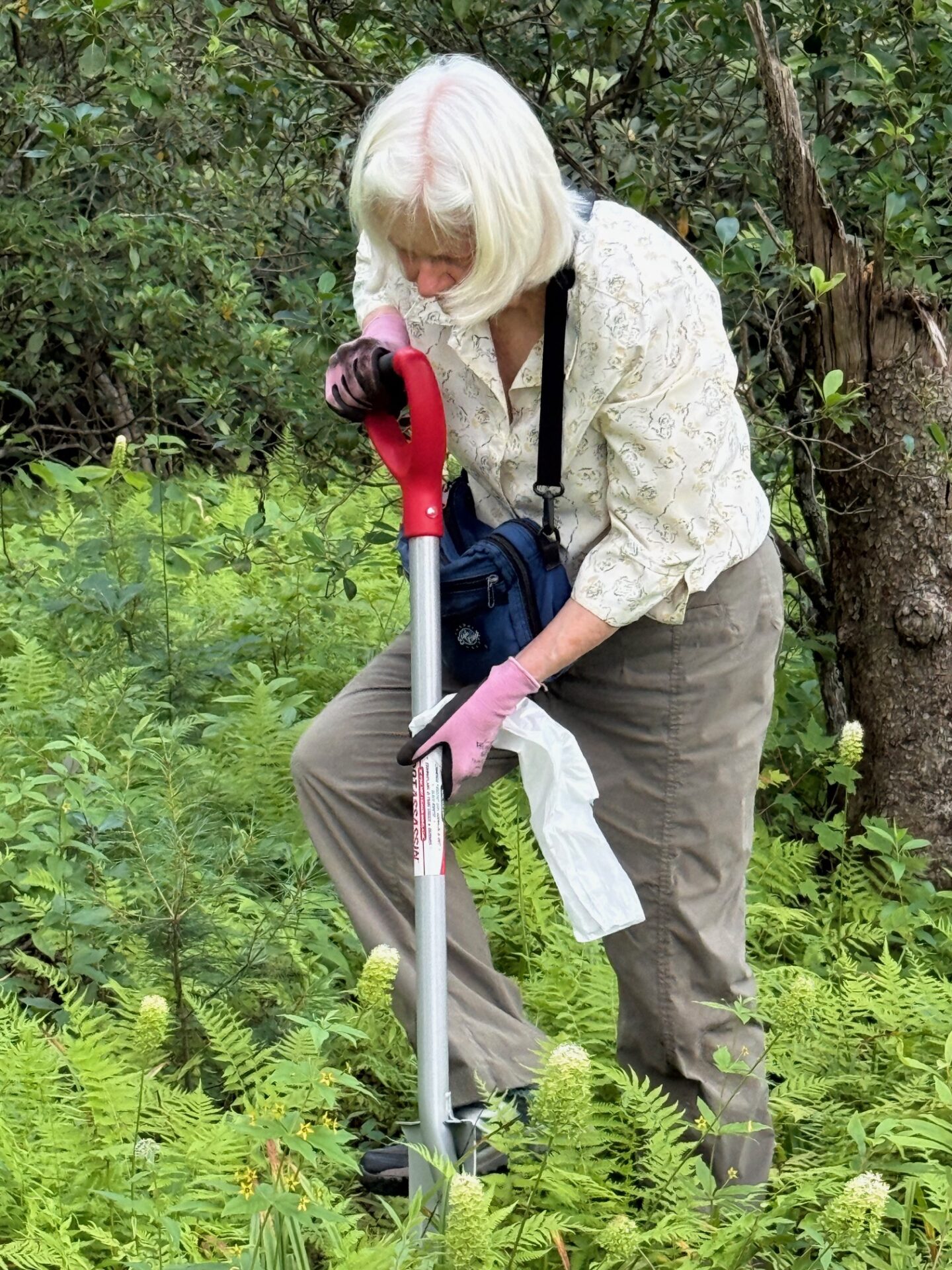
- Seed saving and moss and fern rescues with Highlands Cashiers Land Trust
- New pollinator and moss gardens with Friends of Gorges State Park
- Stream bank restoration with live stakes, with Friends of Panthertown
- Distributing information at the Highlands Mountain Garden Club Plant Sale and Gorges State Park Monarch Festival.
Mary Palmer Dargan, Nancy Anderson, and Arielle McIntyre spoke at the Cashiers Designer Showhouse. Cathy Reas-Foster is exploring additional ways to work with the Cashiers Historical Society.
With active members who work at the Highlands Biological Station, the chapter has access to highly qualified speakers including Dr. Paul Manos and Dr. James Costa. Under Dr. Costa’s leadership, the chapter is about to launch a Certificate Program in Native Plant Studies at Highlands Biological Station to engage residents of Western North Carolina on the importance of native plants and sound land stewardship.
Young conservation and landscape professionals in the region face low salaries and high housing costs, so a B.W. Wells Stewardship Award from NCNPS will provide scholarship funds to several “Dan Pitillo Scholars” for courses and training at a newly established Southern Appalachian Native Plant Studies Certificate program at the Highlands Biological Station of Western Carolina University.
Follow the Oconee Bell Chapter Facebook page.
Click on a picture to scroll through the gallery and view individual captions.
Uwharrie Chapter (Albemarle, and Asheboro area)
Founders are Hugh Martin, Anne Houck, Barbara Tuset, John and Kelli Isenhour, Karen Auman, Cicelia Miller, Pamela Palmer, and Jonathan Caples.
Current leaders are Hugh Martin, Anne Houck, Barbara Tuset, John and Kelli Isenhour, Lee Pickler, Ken Knight, and Taylor Smith. There are 109 members.
The Uwharrie region has unique soil types and geology that result in its distinct plant community. Bringing attention to the native flora of this region will help conserve the area’s biodiversity and educate citizens about the region’s biological significance.
The chapter serves Stanly, Rowan, Montgomery, Anson, and Moore counties and portions of Davidson, and Randolph counties south of US Highway 64.
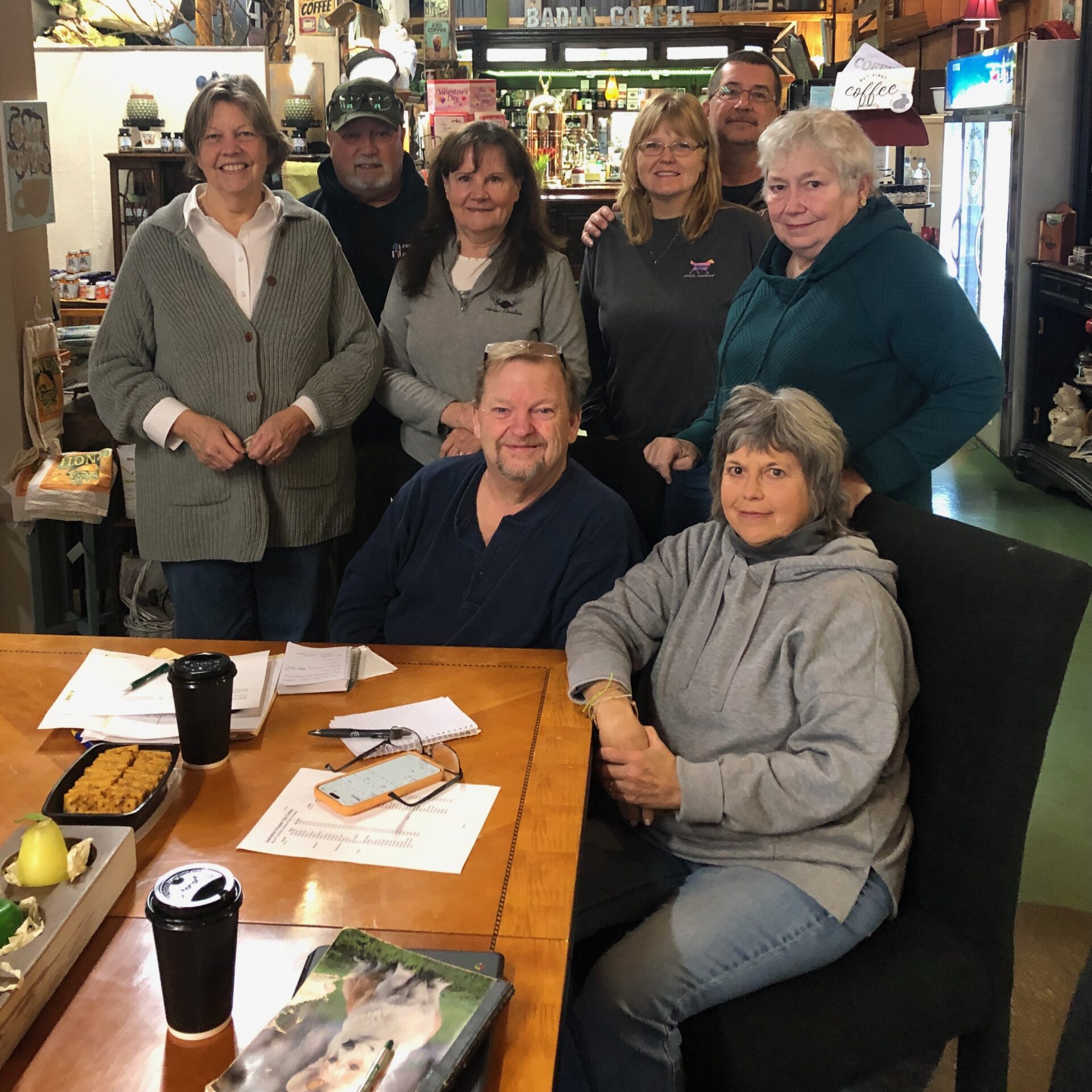
The Uwharrie Chapter, formed in 2025, has large turnouts at quarterly meetings, which are open to the public. Meetings are held at the Farm Bureau Livestock Event Center in Stanly County Agri-Civic Center, and other locations. The chapter participates in the Annual Agri-Civic Day, a two-day event in August. In September 2026, the Uwharrie Chapter hosted a NCNPS 75th anniversary celebration meeting with special speakers and activities.
Follow the Uwharrie Chapter Facebook page.
Click on a picture to scroll through the gallery and view individual captions.
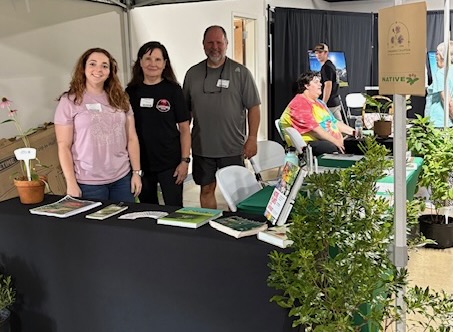
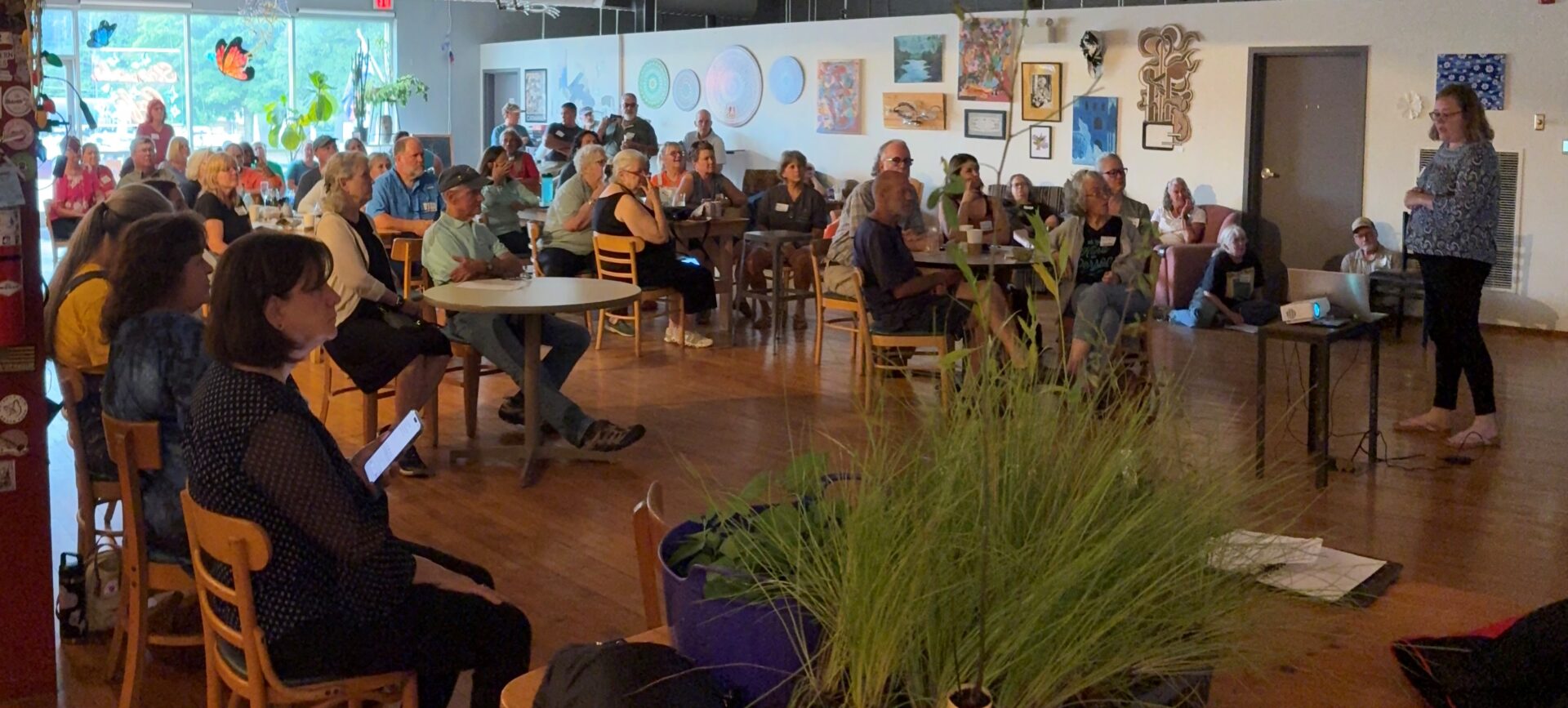
Sandhills Chapter (Moore County)
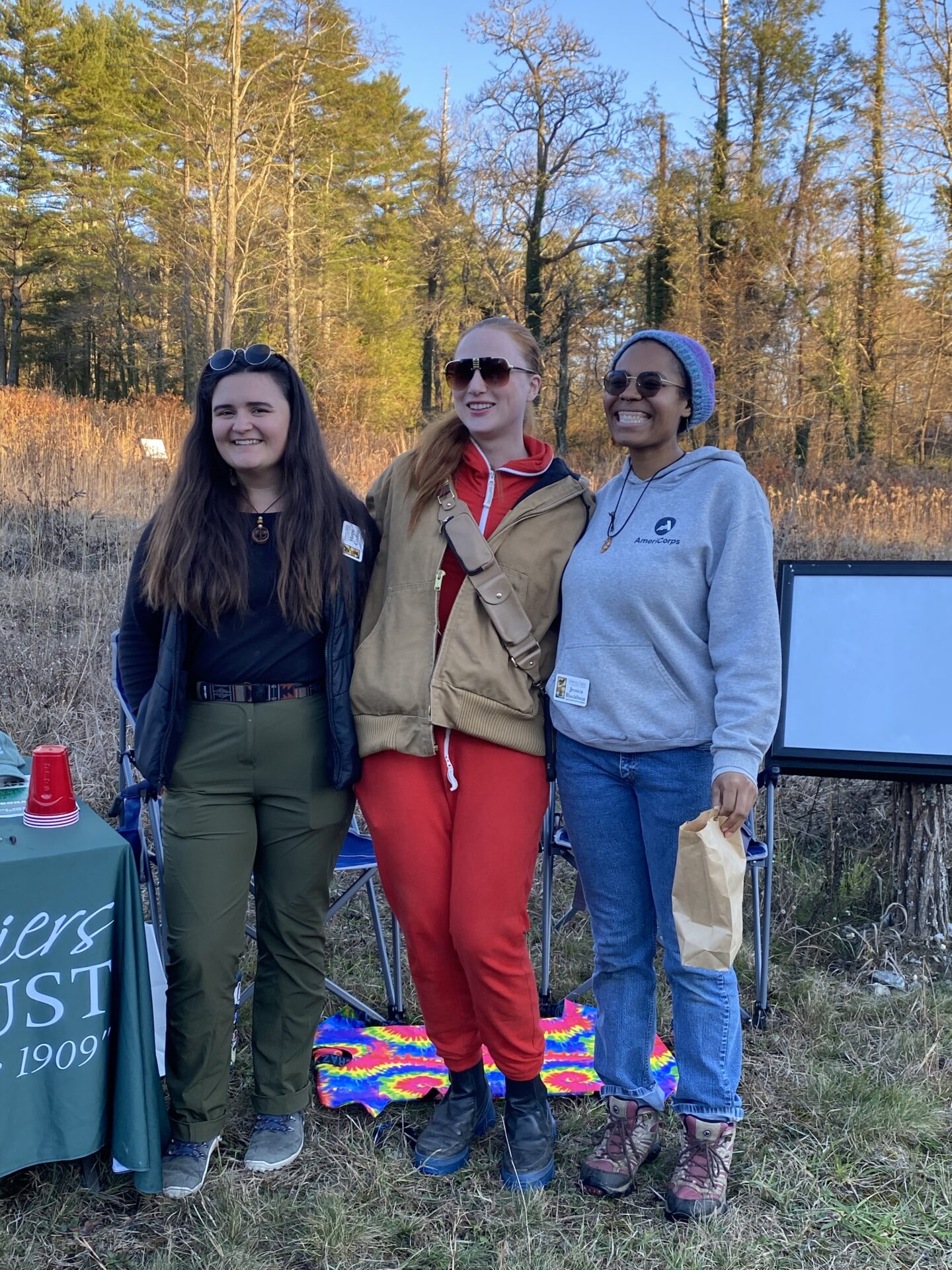
Founded in 2026 by current leaders, Chair Cami Gregg and Co-chair Namaste Arey. There are 73 members.
The Sandhills is truly the most eco-diverse region in North Carolina and gets a little lost between the Piedmont and Coastal Region. It sets itself apart from these regions due to its very different soil and its longer history of controlled burning because of its Longleaf Pine and Wiregrass ecosystem. There are a number of plant species endemic (restricted) to the Sandhills of North Carolina, South Carolina, and Georgia, while there are other species that in NC occur only in the Sandhills. Soils are different here than on the flat portion of the Coastal Plain.
The Moore County Extension office is home to some meetings in 2026, but the overall plan is to be a “working” chapter in our counties going on hikes, attending festivals, garden tours and overall education about the Sandhills and the importance of native plants. The Sandhills Chapter steering committee includes members who are native plant nursery owners, landscape designers, a prescribed burn expert, and two county horticulture agents. Bruce Sorrie is an advisor/mentor. Of course, the common passion among the committee is the love of the Sandhills and native plants.
Founders kicked off the Sandhills Chapter in March 2026 with 120 in attendance and appearances at several festivals in April. They held their first hike to the Sandhills Game Lands, led by Bruce Sorrie in May, and their inaugural garden tour with three distinct gardens was held in June. Their Chapter 75th Anniversary meeting was held in August and included two speakers and an update on what has been accomplished in the first six months of the chapter and what the rest of the year holds. They also had a plant swap with great participation and excitement! September and October meetings included several festivals and a native plant sale in conjunction with Sandhills Community College and their Fall Festival. The November meeting will kick off their Sandhills Native Plant Steward Program with the goal of creating a program with members to harvest seeds and propagate Sandhills native plants.
Follow the Sandhills Chapter Facebook group for a lively discussion.
Click on a picture to scroll through the gallery and view individual captions.
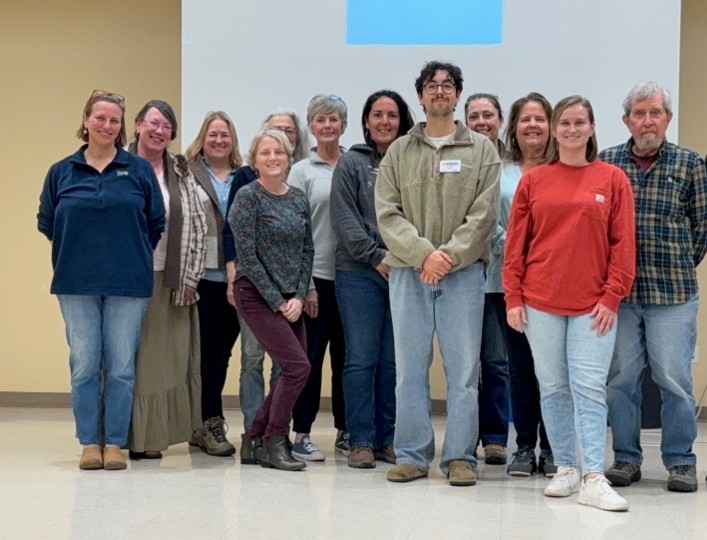
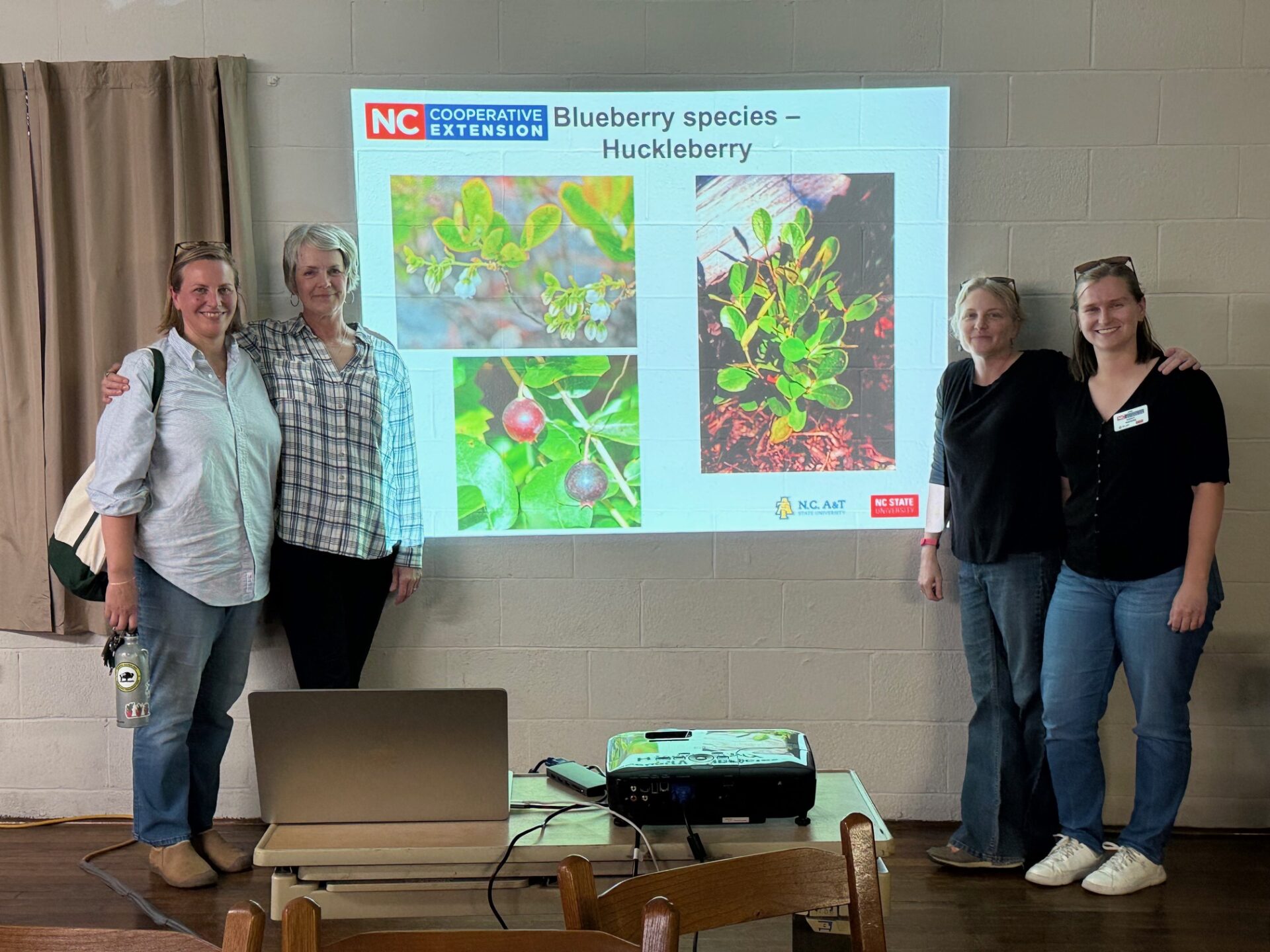
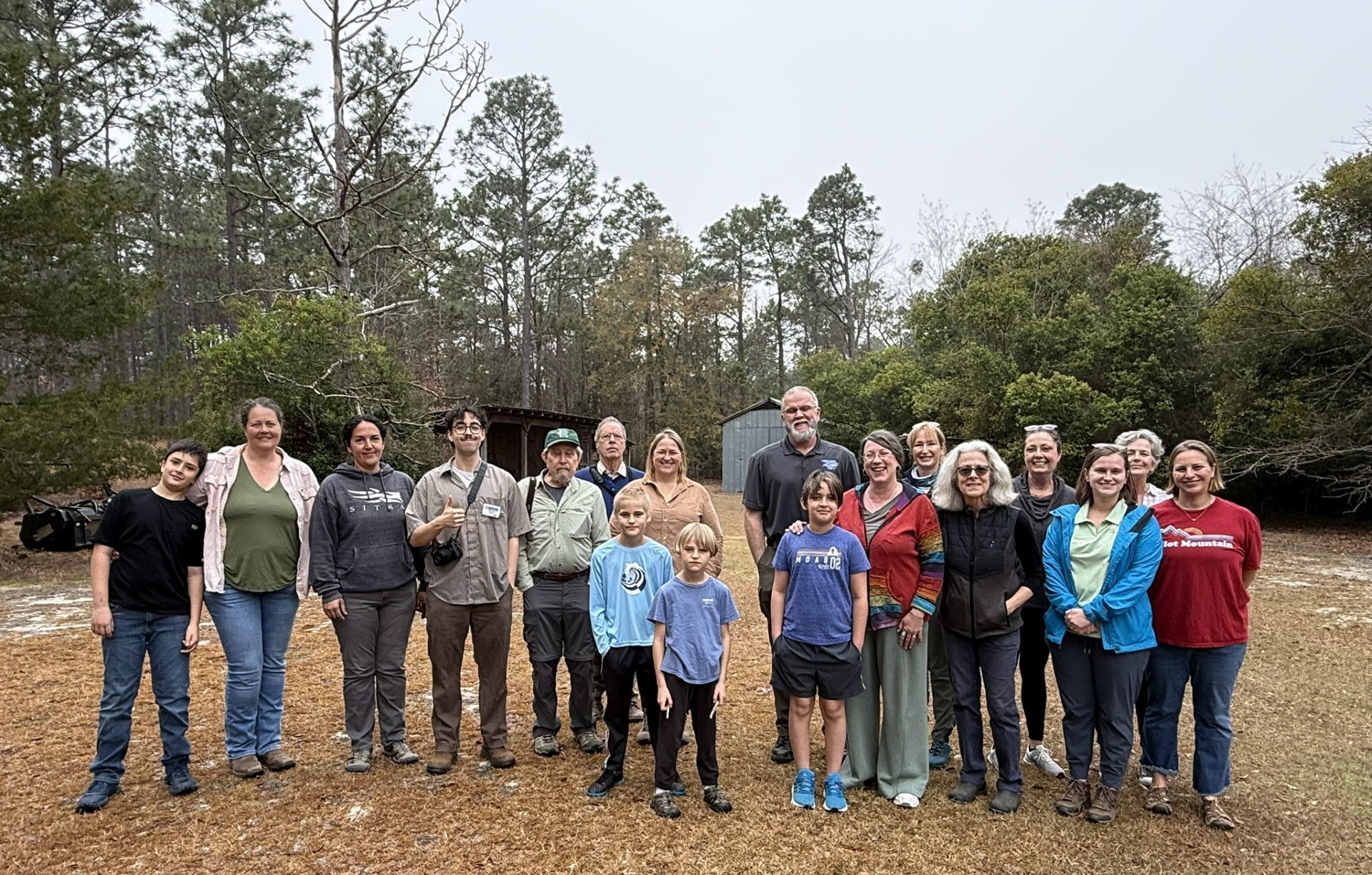

Foothills Chapter (Morganton/Hickory area)
Founded February 2026.
Current leaders are Brenda Thomas and Zach Spurgeon with support from Amanda Taylor, Amber Rickertsen, Deanna Boone-Domres, Debra Batman, Jessica Howells, and Karla Busch. There are 17 members
Sandwiched between the High Country of western North Carolina and the Piedmont to the east, the foothills region of North Carolina sits in a “Goldilocks” position environmentally – not too much, not too little, just right. Differences in the length of seasons, precipitation, temperatures, and the number of sun-shiny days make this region unique from its neighbors to the west and the east. As a result, the foothills function as an ecotone, supporting a mix of flora and fauna from the regions around them.
The leadership of the Foothills Chapter could be described as that same “Goldilocks” mix. They are musicians, Master Gardeners, educators, small business owners, and conservationists —a diverse group of people from the Morganton area who have strong connections to the community and a love of native plants.
Approved in February 2026, the chapter held its first event in April with a hike to Smith Cliffs. The hike was led by Jess Schaner, a field biologist with the NC Natural Heritage Program. The first educational event was held in July and included a presentation by Foothills Conservancy on their efforts to preserve native plants in the foothills region.
The foothills chapter celebrated the 75th anniversary of the NCNPS in September with a BioBlitz at Lake James State Park along with a Park Ranger-led talk on the local ecology and plant communities of the park. Destini Petitt presented to the chapter in October on supporting pollinators with your winter garden.
Follow the Foothills Chapter Facebook page.
Click on a picture to scroll through the gallery and view individual captions.
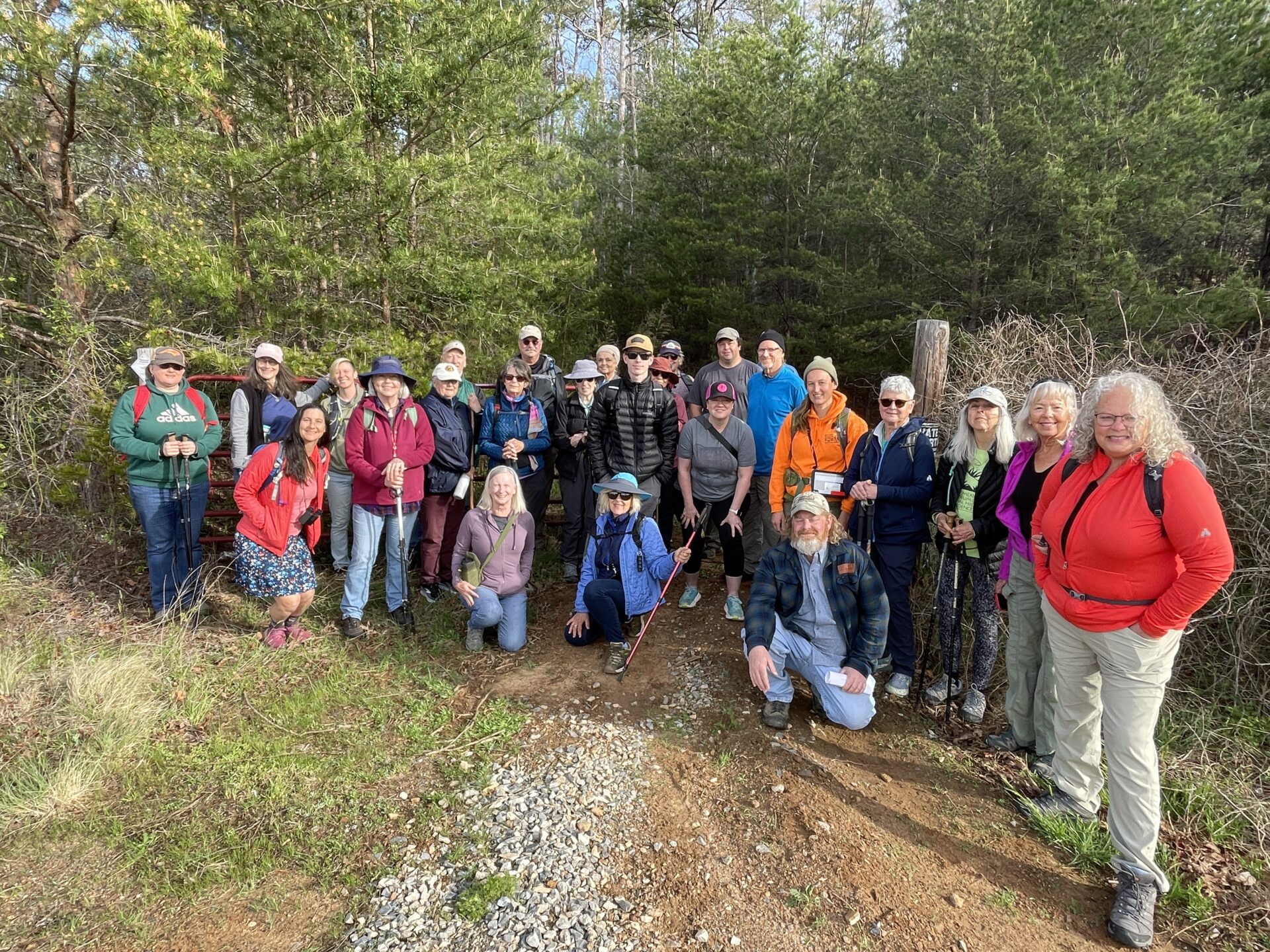
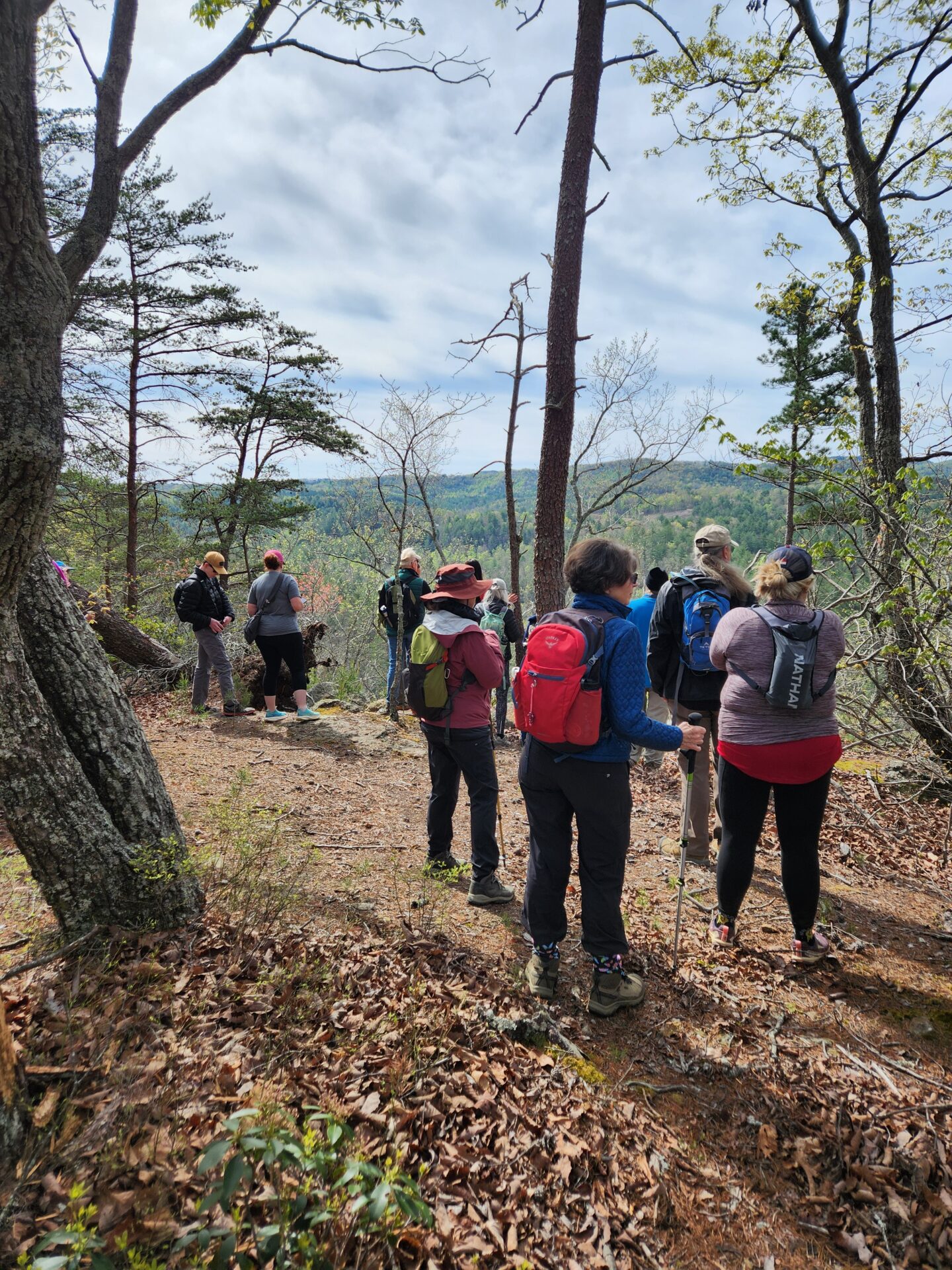
Northeastern Coastal Plain (Greenville area)
Founded by Dell Hagwood, Peter Polga-Hecimovich, Jamie Carlson, Lisa F. Hodges, Cynthia Hooker, Josie Bowan, and Catherine Lamm Rouse in May 2026. This newest chapter benefited from the guidance of Carol Peoples of the Central Coastal Plain Chapter.
This area is rich in waterways and benefits from having residents with strong interests in ecologically sound practices and environmental organizations. It is home to a large state university. Some chapter activities to date include offering native plant classes to our community and hosting ReLeaf in June jointly with the Central Coastal Plain chapter.
Chapter members are in the planning stages with Sheppard Memorial Library to help design and install a pollinator garden using only native plants. They hope to make it an ongoing learning experience for the library patrons, including the youngest members. This effort all began with one native plant class offered at the library, which created interest among the staff to pursue replacing non-native plants on the property with a pollinator garden.
Several steering committee members have a strong working relationship with the Pitt County Arboretum staff. They are working jointly to plan and hold a fall symposium with community members from the region on native landscape design, maintenance, and sustainability.
The Northeastern Coastal Plain Chapter is also planning to work with municipalities to adopt native plant friendly ordinances such as the utilization of native plants on city property. Advocacy and access are key to increased planting of natives and creating habitat that is biodiverse and ecologically sound.
Click on the picture to view caption.
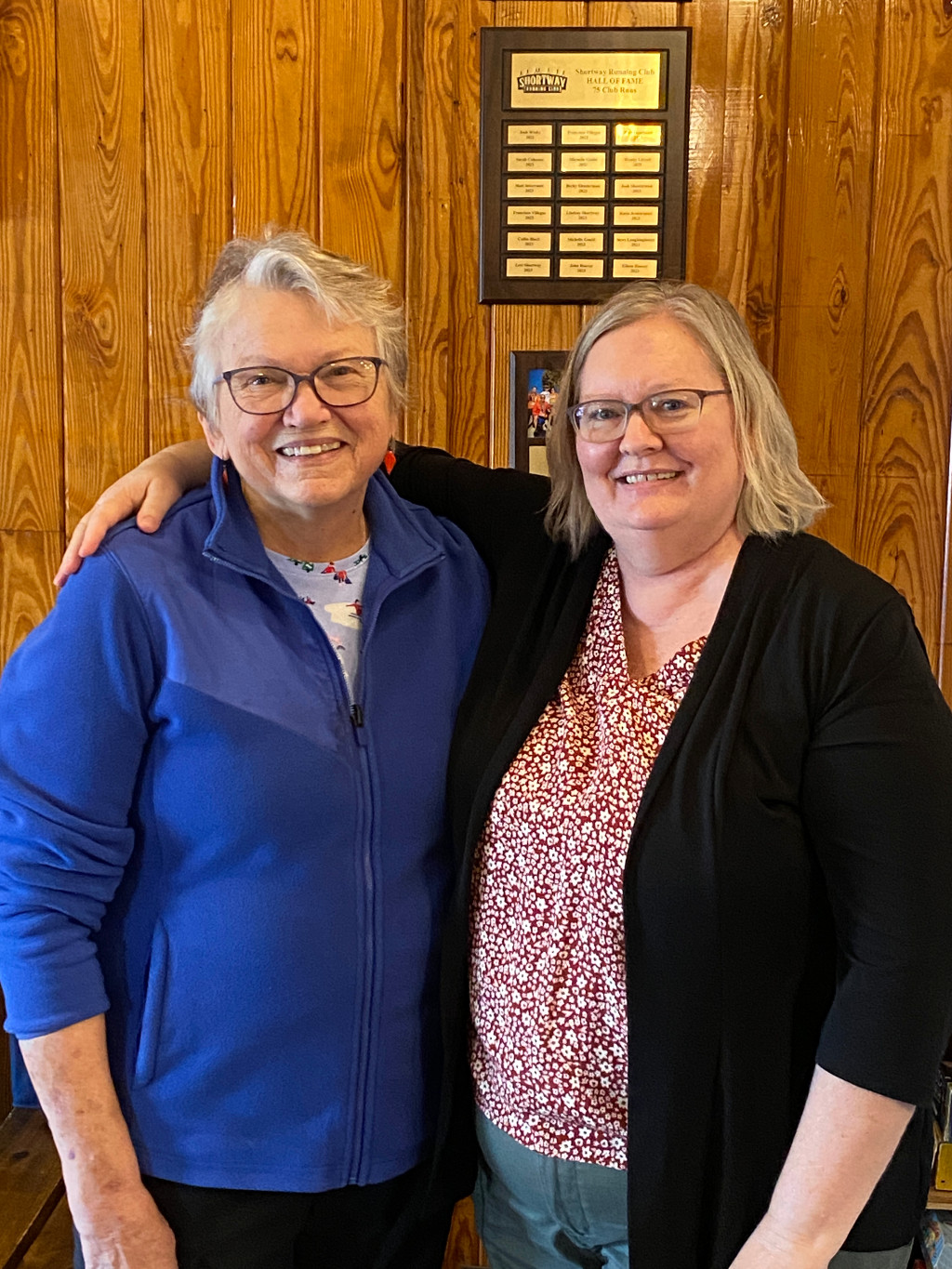
Beth Davis is a recipient of the North Carolina Native Plant Society’s President’s Award; serves on the NCNPS Native Plant News committee; is chair of the NCNPS Social Media Committee; volunteers at theUNC Charlotte Botanical Gardens, and is past chair of the Southern Piedmont Chapter of NCNPS.
Catherine, Brett, and Anna: in our backyards and communities we make local impacts that incrementally improve our interconnected world.
Stories of People
Larry T. Mellichamp, the Plantsman of His Time
By Ken Moore, reprinted from NCNPS Commemorative Edition for Larry Mellichamp for Native Plant News 75th Anniversary Edition
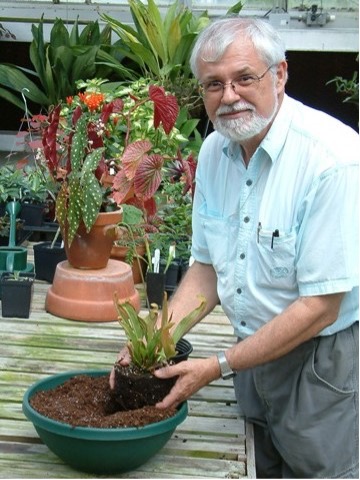
I have been fortunate to share a botanical life with Larry for four decades plus!
I came to cherish him as a world-class botanist, keen plantsman, passionate gardener, and dedicated teacher sharing his knowledge, expertise, and plants at hundreds of venues where eager plant people were gathered.
Though Larry specialized in regional native plants, he had a fine grasp of the world flora— when anyone sought an identification of anything, the response was immediately, “Go ask Larry!!”
He was a propagator of all plants and premier hybridizer, particularly of Sarracenia (pitcherplants) species. Many he named are now in the trade.
Larry was always a requested presenter at symposia, conferences, and other gatherings at home and abroad.
He was a popular leader of field trips throughout the eastern United States and he was a regular leader “of-the-pack” in support of the North Carolina Native Plant Society.
He shared his plant knowledge and skills in easy-to-read publications, too numerous to list. They are still available to an eager gardening public.
Perhaps there is no one but Larry who has shared with such a wide audience a passion for observing plants, knowing plants, and becoming engaged with plants.
If such an encounter did not fall on an already acknowledged passionate plantsman, then that individual very definitely became one!
Here are three cheers for Larry T. Mellichamp, truly the plantsman of his time!
Ken Moore, Abingdon VA. Retired, North Carolina Botanical Garden; past director, Cullowhee Native Plant Conference, and past president, North Carolina Wild Flower Preservation Society 1975 – 1976.
A Walk in the Woods with Tom Harville
By Susan Colman for Native Plant News 75th Anniversary Edition

Being guided by a B-52 Navigator is a rare opportunity, but the NC Native Plant Society was privileged by having Tom Harville, a retired U.S. Air Force colonel, to plot a course for us, first as treasurer (2004-2006), and then as president (2006-2012), and as a member-at-large till very recently as Awards Committee chairperson.
Tom had taken over the mission from former president, Alice Zawadzki, a chemistry and physics professor, and then handed the controls to Jean Woods, a mathematician and a NASA Skylab creator. Diversity is good for us as well as the plants!
Tom was a Troy State University/University of North Carolina business major who retired from the United States Air Force as Colonel Harville and then began a new project for the North Carolina Department of Transportation as a personnel manager/trainer.
After he and his wife had built their home on the side of a hill in Cary, very near to Swift Creek Bluffs, he had a visit from Margaret Partridge, chairperson of the NCNPS Margaret Reid Chapter, who identified many native plants well-established on the undisturbed land in his ¾ acre lot. It didn’t take Tom long to navigate into the next mission of his life, learning about all things native, attending many Cullowhee Native Plant Conferences and organizing (with DOT and the Land Conservancy) plant rescue sites at Randleman Lake as well as the Edward Mill Road extension. Tom also led these rescues, with sometimes up to 70 enthusiastic members.
As treasurer, he began organizing and updating membership lists and initiated a new program, the Native Plant Habitat Certification. Tom and Margaret Reid Chapter chair Marlene Kinney made site visits to certify landowner’s commitment to plant and maintain native plants. Today the program is still going strong with 253 certified habitat signs all over the state, including some public gardens as well as private residences. These signs educate the public about the value of native plantings.
In 2008 during his presidency, Tom was urged by then newsletter editor Kathy Schlosser to start an awards program for the NCNPS. So, by 2009 at the annual meeting, Tom had created awards to highlight some of the important folks making a difference for all of us in North Carolina. These awards are as follows:
- The President’s Award for service to the Society
- The William Lanier Hunt Award for Environmental Education
- The B.W. Wells Award for Excellence in Botany or Horticulture
- The Emily H. Allen Award for Landscape Design with Native Plant Materials
- The H. Roland Totten Award for Advancing Knowledge or Conservation of Native Plants
- The H.L. Blomquist Award for Promoting Native Plants
Tom put the Society on the right course, doing much to increase membership, creating more activities to get the members involved, and making the switch from snail mail to electronic mailing for the newsletter and using the savings to fund scholarships and grants more fully. It didn’t hurt to have a sense of humor either to keep egging us onward to get out in the woods and meet him there.
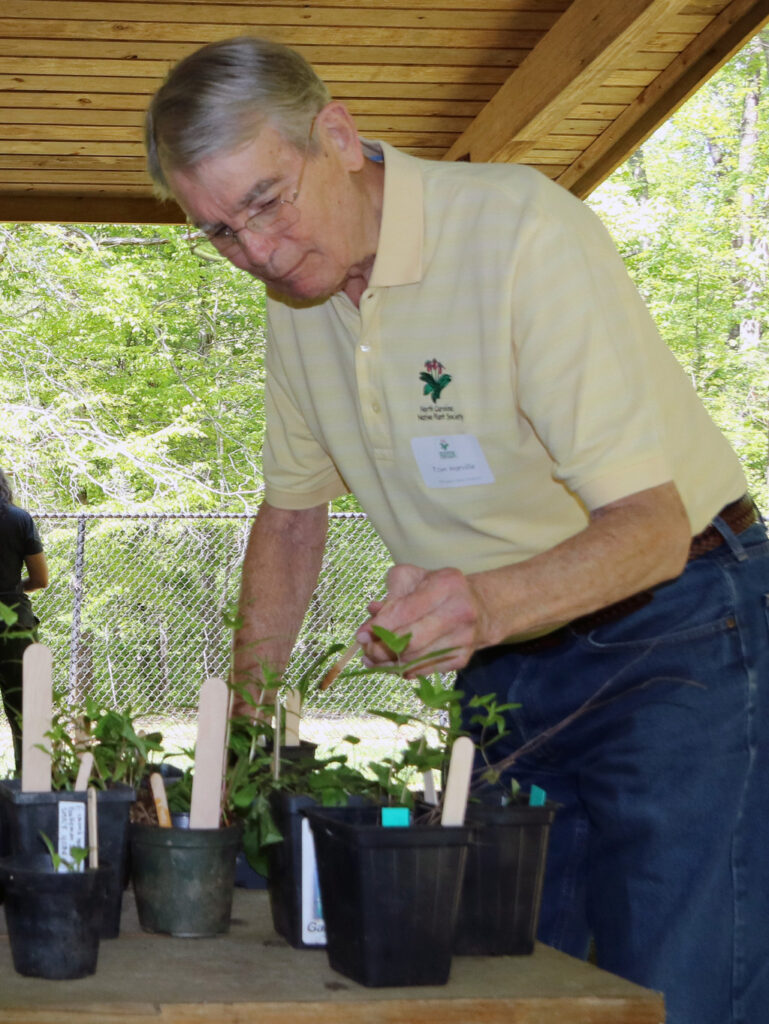
Susie Colman is an NCNPS member with the Margaret Reid Chapter since 2016 and thoroughly enjoys all opportunities to learn and share in the love of native plants.
Pat Holder Reports on Public Places Certified as Native Plant Habitats in 2026
By Pat Holder for Native Plant News 75th Anniversary Edition
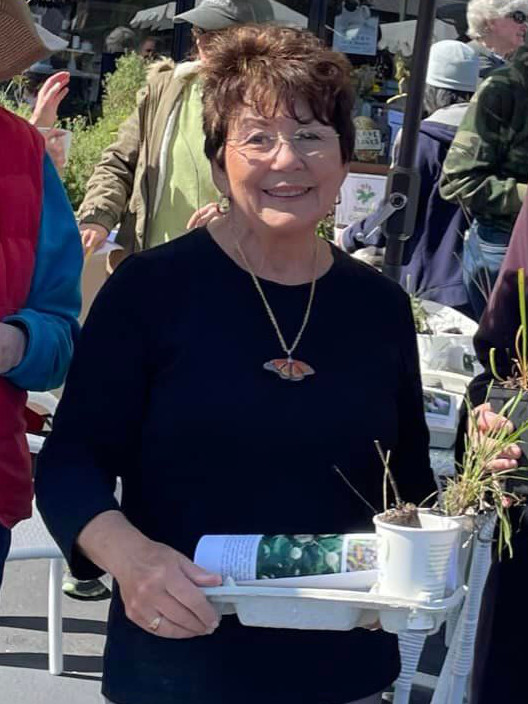
Every application for native plant habitat certification that I receive includes special comments about the reasons the applicant is applying and fascinating comments about their land, their challenges, their joys, and other considerations.
I can’t quite summarize this delightful feedback, so I have chosen three public gardens, especially, to call attention to our readers that there are certified public gardens throughout our state that are open to visitors. (As of July 2026, NCNPS has certified 253 native plant habitats.)
The Forage Farm in Hillsborough was the first public garden to become certified in 2026. Justin Durango submitted the application on February 26, 2026.
On their website I found a lovely statement that proclaims,
The Forage Farm – A permaculture-inspired teaching farm that dances with nature in an urban environment. We use a holistic design approach to model natural systems and encourage diversity. Our mission is to get people to fall in love with nature so they’re inspired and empowered to care more tenderly for it. To foster that relationship, the Forage Farm interweaves food production, community building, and environmental restoration in a beautiful, gardenesque setting. Through a diversity of learning opportunities and experiences, visitors will come away with a deeper understanding of natural systems and their ability to influence them.
After careful reading of the application, I had the pleasure of certifying The Forage Farm as the first public-certified native plant habitat of 2026, #235 of 253 certified native plant habitats.
The Harrisburg Community Garden in Harrisburg, NC was the second public garden certified on May 15, 2026—#251. Anna Radford submitted the application for certification for this garden. The website states the mission for this garden:
At the Harrisburg Community Garden, our mission is to create a community garden space where neighbors come together to grow vegetables, flowers, fruit, and herbs while sharing techniques to promote a sustainable, local food system. With a focus on sustainability and fostering a sense of community, the garden offers plots for individuals and families to cultivate their own plants and connect with others who share a passion for gardening.
The list of plants on the application includes numerous spring, summer and fall native plants. This list demonstrates the importance of native flowers in the pollination of garden food crops.
A unique feature of this property is that it sits on top of volcanic land, requiring them to use raised garden beds for their garden plots.
Gorges State Park Visitor Center in Sapphire, NC was the third public garden certified in 2026.
Melanie Briley submitted the application on June 10, 2026.
In her accompanying message, she stated,
The Native Plant Habitat Garden was planned and accomplished through the coordination of two Native Plant Society chapters (Oconee Bell and Land of the Sky), as well as through the support of the Friends of Gorges State Park and Park Staff.
In the application she notes that the property includes 2 acres surrounding the Gorges State Park Visitor Center, excluding 70% of parking. She and her team planted two pollinator gardens and a moss garden at the entrances to the Visitor Center using plants native only to the Gorges State Park. They have been working on creating native plant habitat on the property for 14 years—a true dedication to the benefits of native plant habitat.
I hope that the information about these three newly certified publicly accessible native plant gardens will inspire many of us to get outdoors and see what wonders native plants can produce.
Pat Holder is the coordinator of the North Carolina Native Plant Society’s Native Plant Habitat Certification Program. She is also on the board of the North Carolina Botanical Garden, which is part of the University of North Carolina at Chapel Hill.
An Interview with Jean Woods
By Lisa Gould for Native Plant News 75th Anniversary Edition
Growing up in a coal camp in southwestern Virginia, Jean Woods loved exploring nearby woods and fields, and learned a love of gardening from her father and grandmother. In college, Jean majored in mathematics, minored in biology, and went on to a career in information technology (mostly with Dupont), some of it spent working in Houston with NASA, where she worked on all three Skylab missions.
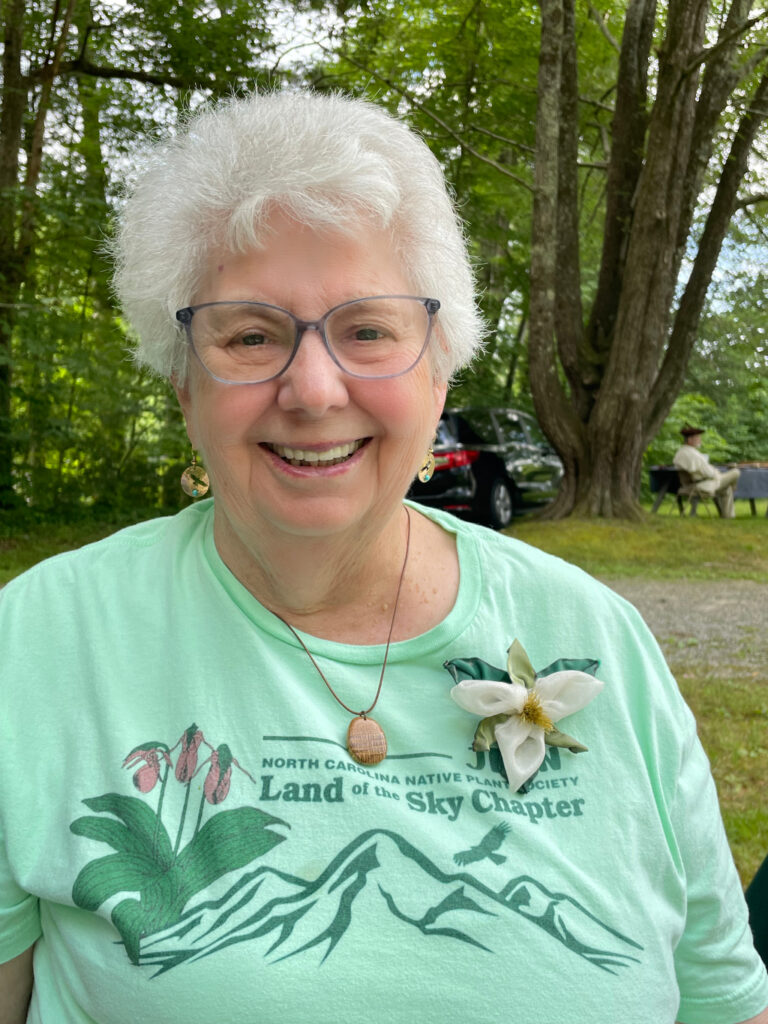
Dupont transferred Jean to Charlotte in 1982, where she and her family lived near a park she enjoyed walking in. In the 1990s, Jean recounts that she “became obsessed” with learning more about wild plants and enrolled at UNC-Charlotte to take botany classes with Larry Mellichamp. Riding back from a field trip one day, she complained to Larry that there was no place for her to learn about native plants other than paying for courses; Larry told her about NCNPS, and the rest is history.
Over the years, Jean has served on the NCNPS Board in many capacities, including chairing the Education Committee, serving twice as president (2012–2015 and 2017–2018), helping with the website, and currently, serving as vice-president. Jean encourages people to work as a team and share their ideas; facilitation is one of her many skills.
Jean and Larry Mellichamp worked with NCNPS and the NC Wildlife Federation to start the certificate program in Native Plant Studies at UNC-Charlotte’s Botanical Garden; in 2009 Jean became the first recipient of NCNPS’s William Lanier Hunt Award for Environmental Education for her efforts in starting that program. Her numerous other contributions led to her receiving NCNPS’s 2016 President’s Award for Service to the Society.
In 2026, at age 82, Jean started a third term as NCNPS president. She wants to focus on our chapters, our “boots on the ground.” She hopes to bring more cohesion between our mission and the chapters’ activities, which the chapter chairs are eager to do. Jean’s people skills and comfort with administrative duties, combined with her passion for native plants, has made her one of the key people helping to keep NCNPS growing and thriving. Thank you, Jean!
Lisa Gould is a plant ecologist and co-founder of the Rhode Island Wild Plant Society; served on the NC Native Plant Society’s board of directors, and chaired the management committee for the Emily Allen Wildflower Preserve in Winston-Salem. She worked with the NC Invasive Plant Council and NCNPS to update and create a single extensive invasive plant list for the state in 2024.
Madalyn, Lindsay, and Julie: our lifelong learning pays forward to influence others.